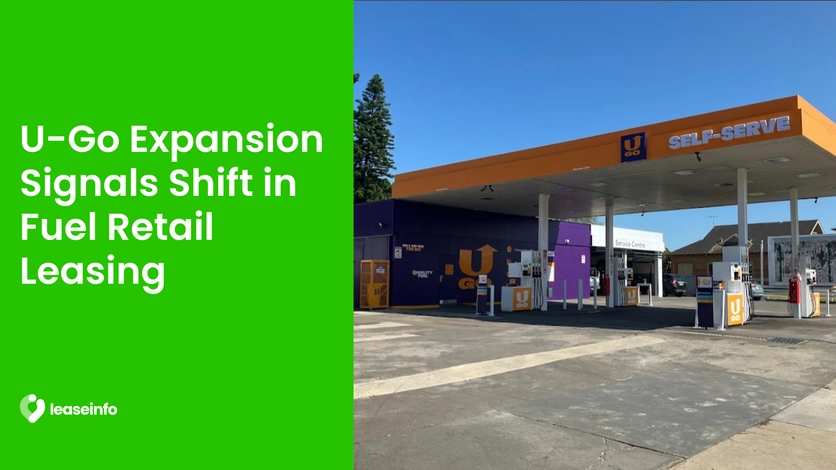
Ampol is accelerating the rollout of its U-Go self-service (unmanned) petrol station format, converting and opening dozens of fuel-only sites across Australia as part of a broader shift in retail strategy.The U-Go model removes traditional convenience store operations and staffing, focusing on high-volume fuel sales in streamlined, lower-cost forecourts. Early performance indicators from the network suggest improved fuel volumes and stronger site-level earnings compared to legacy formats.How This Affects Leases1️. Changing Site EconomicsThe move to unmanned, fuel-only operations significantly reduces labour and retail overheads. This alters the traditional income mix of service station assets, where convenience retail has historically supported rental strength.For landlords, this raises key questions:Will reduced in-store retail impact overall turnover-linked rent?Do higher fuel sales reduce leasing risk?How does this affect long-term asset valuation?2. Repurposing or Redundant Retail SpaceSites previously designed for full convenience retail may face:Downsizing of shop footprintsVacant or underutilised retail areasOpportunities to re-tenant surplus space (coffee kiosks, parcel lockers, quick-service operators)This presents both risk and repositioning potential for property owners.3️. Location Strategy ShiftThe U-Go format favours:High-traffic arterial roadsSimplified forecourt layoutsLower operational complexityThis may influence future site acquisitions and development approvals across Australian metropolitan growth corridors and regional centres.4️. Portfolio Recalibration Across the SectorAmpol’s U-Go rollout could encourage other fuel retailers to rethink how they run their sites, which may result in:A split between premium convenience stores and fuel-only locationsClosure or downsizing of underperforming, retail-heavy sitesFuel profits over retail salesKey Takeaways for InvestorsFor commercial landlords and investors, the expansion of unmanned fuel formats signals a structural evolution in Australian service station real estate:Expect greater emphasis on fuel volumes and traffic exposure rather than shop size.Review leases with turnover rent components heavily weighted towards in-store sales.Assess flexibility for adaptive reuse of convenience retail space.Monitor tenant covenant strength where site formats are being converted.As operating models evolve, so too will the leasing profile of Australian service station assets. The U-Go roll-out highlights how fuel retail is shifting towards leaner, infrastructure-focused formats, with direct implications for rent structures, asset configuration and long-term investment value.For detailed retail lease data and portfolio benchmarking insights, subscribe toCommercial Leasing NewsbyLeaseInfo.Previous ArticleNext Article
Ampol is accelerating the rollout of its U-Go self-service (unmanned) petrol station format, converting and opening dozens of fuel-only sites across Australia as part of a broader shift in retail strategy.The U-Go model removes traditional convenience store operations and staffing, focusing on high-volume fuel sales in streamlined, lower-cost forecourts. Early performance indicators from the network suggest improved fuel volumes and stronger site-level earnings compared to legacy formats.How This Affects Leases1️. Changing Site EconomicsThe move to unmanned, fuel-only operations significantly reduces labour and retail overheads. This alters the traditional income mix of service station assets, where convenience retail has historically supported rental strength.For landlords, this raises key questions:Will reduced in-store retail impact overall turnover-linked rent?Do higher fuel sales reduce leasing risk?How does this affect long-term asset valuation?2. Repurposing or Redundant Retail SpaceSites previously designed for full convenience retail may face:Downsizing of shop footprintsVacant or underutilised retail areasOpportunities to re-tenant surplus space (coffee kiosks, parcel lockers, quick-service operators)This presents both risk and repositioning potential for property owners.3️. Location Strategy ShiftThe U-Go format favours:High-traffic arterial roadsSimplified forecourt layoutsLower operational complexityThis may influence future site acquisitions and development approvals across Australian metropolitan growth corridors and regional centres.4️. Portfolio Recalibration Across the SectorAmpol’s U-Go rollout could encourage other fuel retailers to rethink how they run their sites, which may result in:A split between premium convenience stores and fuel-only locationsClosure or downsizing of underperforming, retail-heavy sitesFuel profits over retail salesKey Takeaways for InvestorsFor commercial landlords and investors, the expansion of unmanned fuel formats signals a structural evolution in Australian service station real estate:Expect greater emphasis on fuel volumes and traffic exposure rather than shop size.Review leases with turnover rent components heavily weighted towards in-store sales.Assess flexibility for adaptive reuse of convenience retail space.Monitor tenant covenant strength where site formats are being converted.As operating models evolve, so too will the leasing profile of Australian service station assets. The U-Go roll-out highlights how fuel retail is shifting towards leaner, infrastructure-focused formats, with direct implications for rent structures, asset configuration and long-term investment value.For detailed retail lease data and portfolio benchmarking insights, subscribe toCommercial Leasing NewsbyLeaseInfo.Previous ArticleNext Article
The U-Go model removes traditional convenience store operations and staffing, focusing on high-volume fuel sales in streamlined, lower-cost forecourts. Early performance indicators from the network suggest improved fuel volumes and stronger site-level earnings compared to legacy formats.How This Affects Leases1️. Changing Site EconomicsThe move to unmanned, fuel-only operations significantly reduces labour and retail overheads. This alters the traditional income mix of service station assets, where convenience retail has historically supported rental strength.For landlords, this raises key questions:Will reduced in-store retail impact overall turnover-linked rent?Do higher fuel sales reduce leasing risk?How does this affect long-term asset valuation?2. Repurposing or Redundant Retail SpaceSites previously designed for full convenience retail may face:Downsizing of shop footprintsVacant or underutilised retail areasOpportunities to re-tenant surplus space (coffee kiosks, parcel lockers, quick-service operators)This presents both risk and repositioning potential for property owners.3️. Location Strategy ShiftThe U-Go format favours:High-traffic arterial roadsSimplified forecourt layoutsLower operational complexityThis may influence future site acquisitions and development approvals across Australian metropolitan growth corridors and regional centres.4️. Portfolio Recalibration Across the SectorAmpol’s U-Go rollout could encourage other fuel retailers to rethink how they run their sites, which may result in:A split between premium convenience stores and fuel-only locationsClosure or downsizing of underperforming, retail-heavy sitesFuel profits over retail salesKey Takeaways for InvestorsFor commercial landlords and investors, the expansion of unmanned fuel formats signals a structural evolution in Australian service station real estate:Expect greater emphasis on fuel volumes and traffic exposure rather than shop size.Review leases with turnover rent components heavily weighted towards in-store sales.Assess flexibility for adaptive reuse of convenience retail space.Monitor tenant covenant strength where site formats are being converted.As operating models evolve, so too will the leasing profile of Australian service station assets. The U-Go roll-out highlights how fuel retail is shifting towards leaner, infrastructure-focused formats, with direct implications for rent structures, asset configuration and long-term investment value.For detailed retail lease data and portfolio benchmarking insights, subscribe toCommercial Leasing NewsbyLeaseInfo.Previous ArticleNext Article
How This Affects Leases
1️. Changing Site EconomicsThe move to unmanned, fuel-only operations significantly reduces labour and retail overheads. This alters the traditional income mix of service station assets, where convenience retail has historically supported rental strength.For landlords, this raises key questions:Will reduced in-store retail impact overall turnover-linked rent?Do higher fuel sales reduce leasing risk?How does this affect long-term asset valuation?2. Repurposing or Redundant Retail SpaceSites previously designed for full convenience retail may face:Downsizing of shop footprintsVacant or underutilised retail areasOpportunities to re-tenant surplus space (coffee kiosks, parcel lockers, quick-service operators)This presents both risk and repositioning potential for property owners.3️. Location Strategy ShiftThe U-Go format favours:High-traffic arterial roadsSimplified forecourt layoutsLower operational complexityThis may influence future site acquisitions and development approvals across Australian metropolitan growth corridors and regional centres.4️. Portfolio Recalibration Across the SectorAmpol’s U-Go rollout could encourage other fuel retailers to rethink how they run their sites, which may result in:A split between premium convenience stores and fuel-only locationsClosure or downsizing of underperforming, retail-heavy sitesFuel profits over retail salesKey Takeaways for InvestorsFor commercial landlords and investors, the expansion of unmanned fuel formats signals a structural evolution in Australian service station real estate:Expect greater emphasis on fuel volumes and traffic exposure rather than shop size.Review leases with turnover rent components heavily weighted towards in-store sales.Assess flexibility for adaptive reuse of convenience retail space.Monitor tenant covenant strength where site formats are being converted.As operating models evolve, so too will the leasing profile of Australian service station assets. The U-Go roll-out highlights how fuel retail is shifting towards leaner, infrastructure-focused formats, with direct implications for rent structures, asset configuration and long-term investment value.For detailed retail lease data and portfolio benchmarking insights, subscribe toCommercial Leasing NewsbyLeaseInfo.Previous ArticleNext Article
The move to unmanned, fuel-only operations significantly reduces labour and retail overheads. This alters the traditional income mix of service station assets, where convenience retail has historically supported rental strength.For landlords, this raises key questions:Will reduced in-store retail impact overall turnover-linked rent?Do higher fuel sales reduce leasing risk?How does this affect long-term asset valuation?2. Repurposing or Redundant Retail SpaceSites previously designed for full convenience retail may face:Downsizing of shop footprintsVacant or underutilised retail areasOpportunities to re-tenant surplus space (coffee kiosks, parcel lockers, quick-service operators)This presents both risk and repositioning potential for property owners.3️. Location Strategy ShiftThe U-Go format favours:High-traffic arterial roadsSimplified forecourt layoutsLower operational complexityThis may influence future site acquisitions and development approvals across Australian metropolitan growth corridors and regional centres.4️. Portfolio Recalibration Across the SectorAmpol’s U-Go rollout could encourage other fuel retailers to rethink how they run their sites, which may result in:A split between premium convenience stores and fuel-only locationsClosure or downsizing of underperforming, retail-heavy sitesFuel profits over retail salesKey Takeaways for InvestorsFor commercial landlords and investors, the expansion of unmanned fuel formats signals a structural evolution in Australian service station real estate:Expect greater emphasis on fuel volumes and traffic exposure rather than shop size.Review leases with turnover rent components heavily weighted towards in-store sales.Assess flexibility for adaptive reuse of convenience retail space.Monitor tenant covenant strength where site formats are being converted.As operating models evolve, so too will the leasing profile of Australian service station assets. The U-Go roll-out highlights how fuel retail is shifting towards leaner, infrastructure-focused formats, with direct implications for rent structures, asset configuration and long-term investment value.For detailed retail lease data and portfolio benchmarking insights, subscribe toCommercial Leasing NewsbyLeaseInfo.Previous ArticleNext Article
For landlords, this raises key questions:Will reduced in-store retail impact overall turnover-linked rent?Do higher fuel sales reduce leasing risk?How does this affect long-term asset valuation?2. Repurposing or Redundant Retail SpaceSites previously designed for full convenience retail may face:Downsizing of shop footprintsVacant or underutilised retail areasOpportunities to re-tenant surplus space (coffee kiosks, parcel lockers, quick-service operators)This presents both risk and repositioning potential for property owners.3️. Location Strategy ShiftThe U-Go format favours:High-traffic arterial roadsSimplified forecourt layoutsLower operational complexityThis may influence future site acquisitions and development approvals across Australian metropolitan growth corridors and regional centres.4️. Portfolio Recalibration Across the SectorAmpol’s U-Go rollout could encourage other fuel retailers to rethink how they run their sites, which may result in:A split between premium convenience stores and fuel-only locationsClosure or downsizing of underperforming, retail-heavy sitesFuel profits over retail salesKey Takeaways for InvestorsFor commercial landlords and investors, the expansion of unmanned fuel formats signals a structural evolution in Australian service station real estate:Expect greater emphasis on fuel volumes and traffic exposure rather than shop size.Review leases with turnover rent components heavily weighted towards in-store sales.Assess flexibility for adaptive reuse of convenience retail space.Monitor tenant covenant strength where site formats are being converted.As operating models evolve, so too will the leasing profile of Australian service station assets. The U-Go roll-out highlights how fuel retail is shifting towards leaner, infrastructure-focused formats, with direct implications for rent structures, asset configuration and long-term investment value.For detailed retail lease data and portfolio benchmarking insights, subscribe toCommercial Leasing NewsbyLeaseInfo.Previous ArticleNext Article
2. Repurposing or Redundant Retail SpaceSites previously designed for full convenience retail may face:Downsizing of shop footprintsVacant or underutilised retail areasOpportunities to re-tenant surplus space (coffee kiosks, parcel lockers, quick-service operators)This presents both risk and repositioning potential for property owners.3️. Location Strategy ShiftThe U-Go format favours:High-traffic arterial roadsSimplified forecourt layoutsLower operational complexityThis may influence future site acquisitions and development approvals across Australian metropolitan growth corridors and regional centres.4️. Portfolio Recalibration Across the SectorAmpol’s U-Go rollout could encourage other fuel retailers to rethink how they run their sites, which may result in:A split between premium convenience stores and fuel-only locationsClosure or downsizing of underperforming, retail-heavy sitesFuel profits over retail salesKey Takeaways for InvestorsFor commercial landlords and investors, the expansion of unmanned fuel formats signals a structural evolution in Australian service station real estate:Expect greater emphasis on fuel volumes and traffic exposure rather than shop size.Review leases with turnover rent components heavily weighted towards in-store sales.Assess flexibility for adaptive reuse of convenience retail space.Monitor tenant covenant strength where site formats are being converted.As operating models evolve, so too will the leasing profile of Australian service station assets. The U-Go roll-out highlights how fuel retail is shifting towards leaner, infrastructure-focused formats, with direct implications for rent structures, asset configuration and long-term investment value.For detailed retail lease data and portfolio benchmarking insights, subscribe toCommercial Leasing NewsbyLeaseInfo.Previous ArticleNext Article
Sites previously designed for full convenience retail may face:Downsizing of shop footprintsVacant or underutilised retail areasOpportunities to re-tenant surplus space (coffee kiosks, parcel lockers, quick-service operators)This presents both risk and repositioning potential for property owners.3️. Location Strategy ShiftThe U-Go format favours:High-traffic arterial roadsSimplified forecourt layoutsLower operational complexityThis may influence future site acquisitions and development approvals across Australian metropolitan growth corridors and regional centres.4️. Portfolio Recalibration Across the SectorAmpol’s U-Go rollout could encourage other fuel retailers to rethink how they run their sites, which may result in:A split between premium convenience stores and fuel-only locationsClosure or downsizing of underperforming, retail-heavy sitesFuel profits over retail salesKey Takeaways for InvestorsFor commercial landlords and investors, the expansion of unmanned fuel formats signals a structural evolution in Australian service station real estate:Expect greater emphasis on fuel volumes and traffic exposure rather than shop size.Review leases with turnover rent components heavily weighted towards in-store sales.Assess flexibility for adaptive reuse of convenience retail space.Monitor tenant covenant strength where site formats are being converted.As operating models evolve, so too will the leasing profile of Australian service station assets. The U-Go roll-out highlights how fuel retail is shifting towards leaner, infrastructure-focused formats, with direct implications for rent structures, asset configuration and long-term investment value.For detailed retail lease data and portfolio benchmarking insights, subscribe toCommercial Leasing NewsbyLeaseInfo.Previous ArticleNext Article
This presents both risk and repositioning potential for property owners.3️. Location Strategy ShiftThe U-Go format favours:High-traffic arterial roadsSimplified forecourt layoutsLower operational complexityThis may influence future site acquisitions and development approvals across Australian metropolitan growth corridors and regional centres.4️. Portfolio Recalibration Across the SectorAmpol’s U-Go rollout could encourage other fuel retailers to rethink how they run their sites, which may result in:A split between premium convenience stores and fuel-only locationsClosure or downsizing of underperforming, retail-heavy sitesFuel profits over retail salesKey Takeaways for InvestorsFor commercial landlords and investors, the expansion of unmanned fuel formats signals a structural evolution in Australian service station real estate:Expect greater emphasis on fuel volumes and traffic exposure rather than shop size.Review leases with turnover rent components heavily weighted towards in-store sales.Assess flexibility for adaptive reuse of convenience retail space.Monitor tenant covenant strength where site formats are being converted.As operating models evolve, so too will the leasing profile of Australian service station assets. The U-Go roll-out highlights how fuel retail is shifting towards leaner, infrastructure-focused formats, with direct implications for rent structures, asset configuration and long-term investment value.For detailed retail lease data and portfolio benchmarking insights, subscribe toCommercial Leasing NewsbyLeaseInfo.Previous ArticleNext Article
3️. Location Strategy ShiftThe U-Go format favours:High-traffic arterial roadsSimplified forecourt layoutsLower operational complexityThis may influence future site acquisitions and development approvals across Australian metropolitan growth corridors and regional centres.4️. Portfolio Recalibration Across the SectorAmpol’s U-Go rollout could encourage other fuel retailers to rethink how they run their sites, which may result in:A split between premium convenience stores and fuel-only locationsClosure or downsizing of underperforming, retail-heavy sitesFuel profits over retail salesKey Takeaways for InvestorsFor commercial landlords and investors, the expansion of unmanned fuel formats signals a structural evolution in Australian service station real estate:Expect greater emphasis on fuel volumes and traffic exposure rather than shop size.Review leases with turnover rent components heavily weighted towards in-store sales.Assess flexibility for adaptive reuse of convenience retail space.Monitor tenant covenant strength where site formats are being converted.As operating models evolve, so too will the leasing profile of Australian service station assets. The U-Go roll-out highlights how fuel retail is shifting towards leaner, infrastructure-focused formats, with direct implications for rent structures, asset configuration and long-term investment value.For detailed retail lease data and portfolio benchmarking insights, subscribe toCommercial Leasing NewsbyLeaseInfo.Previous ArticleNext Article
The U-Go format favours:High-traffic arterial roadsSimplified forecourt layoutsLower operational complexityThis may influence future site acquisitions and development approvals across Australian metropolitan growth corridors and regional centres.4️. Portfolio Recalibration Across the SectorAmpol’s U-Go rollout could encourage other fuel retailers to rethink how they run their sites, which may result in:A split between premium convenience stores and fuel-only locationsClosure or downsizing of underperforming, retail-heavy sitesFuel profits over retail salesKey Takeaways for InvestorsFor commercial landlords and investors, the expansion of unmanned fuel formats signals a structural evolution in Australian service station real estate:Expect greater emphasis on fuel volumes and traffic exposure rather than shop size.Review leases with turnover rent components heavily weighted towards in-store sales.Assess flexibility for adaptive reuse of convenience retail space.Monitor tenant covenant strength where site formats are being converted.As operating models evolve, so too will the leasing profile of Australian service station assets. The U-Go roll-out highlights how fuel retail is shifting towards leaner, infrastructure-focused formats, with direct implications for rent structures, asset configuration and long-term investment value.For detailed retail lease data and portfolio benchmarking insights, subscribe toCommercial Leasing NewsbyLeaseInfo.Previous ArticleNext Article
This may influence future site acquisitions and development approvals across Australian metropolitan growth corridors and regional centres.4️. Portfolio Recalibration Across the SectorAmpol’s U-Go rollout could encourage other fuel retailers to rethink how they run their sites, which may result in:A split between premium convenience stores and fuel-only locationsClosure or downsizing of underperforming, retail-heavy sitesFuel profits over retail salesKey Takeaways for InvestorsFor commercial landlords and investors, the expansion of unmanned fuel formats signals a structural evolution in Australian service station real estate:Expect greater emphasis on fuel volumes and traffic exposure rather than shop size.Review leases with turnover rent components heavily weighted towards in-store sales.Assess flexibility for adaptive reuse of convenience retail space.Monitor tenant covenant strength where site formats are being converted.As operating models evolve, so too will the leasing profile of Australian service station assets. The U-Go roll-out highlights how fuel retail is shifting towards leaner, infrastructure-focused formats, with direct implications for rent structures, asset configuration and long-term investment value.For detailed retail lease data and portfolio benchmarking insights, subscribe toCommercial Leasing NewsbyLeaseInfo.Previous ArticleNext Article
4️. Portfolio Recalibration Across the SectorAmpol’s U-Go rollout could encourage other fuel retailers to rethink how they run their sites, which may result in:A split between premium convenience stores and fuel-only locationsClosure or downsizing of underperforming, retail-heavy sitesFuel profits over retail salesKey Takeaways for InvestorsFor commercial landlords and investors, the expansion of unmanned fuel formats signals a structural evolution in Australian service station real estate:Expect greater emphasis on fuel volumes and traffic exposure rather than shop size.Review leases with turnover rent components heavily weighted towards in-store sales.Assess flexibility for adaptive reuse of convenience retail space.Monitor tenant covenant strength where site formats are being converted.As operating models evolve, so too will the leasing profile of Australian service station assets. The U-Go roll-out highlights how fuel retail is shifting towards leaner, infrastructure-focused formats, with direct implications for rent structures, asset configuration and long-term investment value.For detailed retail lease data and portfolio benchmarking insights, subscribe toCommercial Leasing NewsbyLeaseInfo.Previous ArticleNext Article
Ampol’s U-Go rollout could encourage other fuel retailers to rethink how they run their sites, which may result in:A split between premium convenience stores and fuel-only locationsClosure or downsizing of underperforming, retail-heavy sitesFuel profits over retail salesKey Takeaways for InvestorsFor commercial landlords and investors, the expansion of unmanned fuel formats signals a structural evolution in Australian service station real estate:Expect greater emphasis on fuel volumes and traffic exposure rather than shop size.Review leases with turnover rent components heavily weighted towards in-store sales.Assess flexibility for adaptive reuse of convenience retail space.Monitor tenant covenant strength where site formats are being converted.As operating models evolve, so too will the leasing profile of Australian service station assets. The U-Go roll-out highlights how fuel retail is shifting towards leaner, infrastructure-focused formats, with direct implications for rent structures, asset configuration and long-term investment value.For detailed retail lease data and portfolio benchmarking insights, subscribe toCommercial Leasing NewsbyLeaseInfo.Previous ArticleNext Article
Key Takeaways for Investors
For commercial landlords and investors, the expansion of unmanned fuel formats signals a structural evolution in Australian service station real estate:Expect greater emphasis on fuel volumes and traffic exposure rather than shop size.Review leases with turnover rent components heavily weighted towards in-store sales.Assess flexibility for adaptive reuse of convenience retail space.Monitor tenant covenant strength where site formats are being converted.As operating models evolve, so too will the leasing profile of Australian service station assets. The U-Go roll-out highlights how fuel retail is shifting towards leaner, infrastructure-focused formats, with direct implications for rent structures, asset configuration and long-term investment value.For detailed retail lease data and portfolio benchmarking insights, subscribe toCommercial Leasing NewsbyLeaseInfo.Previous ArticleNext Article
As operating models evolve, so too will the leasing profile of Australian service station assets. The U-Go roll-out highlights how fuel retail is shifting towards leaner, infrastructure-focused formats, with direct implications for rent structures, asset configuration and long-term investment value.For detailed retail lease data and portfolio benchmarking insights, subscribe toCommercial Leasing NewsbyLeaseInfo.Previous ArticleNext Article
For detailed retail lease data and portfolio benchmarking insights, subscribe toCommercial Leasing NewsbyLeaseInfo.Previous ArticleNext Article