Retail is going sideways. While headline sales numbers show a mixed picture, some brands are flourishing, however many others are not.When Mosaic Brands announced the closure of more than 700 stores – it was a signal to the rest of the industry that something’s wrong. Something is not working. To add to this, a few months after Mosaic Brand’s announcement, JeansWest announced it would close more than 90 stores, taking even more jobs with it.The headlines blamed low consumer demand, however there’s something else beneath the surface, and it’s been hiding in plain sight.The silent squeezeIt’s not wages.It’s rent, outgoings and the administrative grind of property management. For a lot of businesses, small leasing teams juggle dozens, if not hundreds of contracts. It’s impossible to stay on top of everything and keep the margin. And for mum and dad stores, it’s even harder – because they aren’t as experienced withnegotiatingormanaginga portfolio.“We’ve met brands with hundreds of stores but only a handful of staff to manage them. The process is so manual it’s inevitable something gets missed,”says Harry Bawa, Associate Director at growing prop-tech firmFLNT.Millions lost in spreadsheetsBawa estimates 3 to 5 per cent of annual rent is lost through errors or overlooked dates. For large portfolios and enterprises, this could be millions. A lot of that comes down to key-person risk and management through old spreadsheets that only work when someone remembers to open them.AI meets lease managementFLNT’s answer is an AI trained on 93,000 retail leases, collected over two decades by data serviceLeaseInfo. Built in partnership with the CSIRO before ChatGPT became a household name, the model reads 150-page leases in minutes, surfaces key clauses, and alerts teams to critical dates.“We don’t want anyone spending their Friday night reading a lease agreement head to toe.” Bawa says. “Let our AI find and surface the details, while the humans focus on strategy and negotiation.”FLNT already supports over 130 retailers and landlords, including household names such as Telstra, Swarovski and Subway. It works for mum and dad operations as well as the giant 1,000-site chains.A future-proof way of workingFLNT’s engine is always improving behind the scenes. It absorbs every breakthrough in AI and every new lease uploaded to LeaseInfo. With over 93,000 leases ingested (and counting), each new lease sharpens the system’s speed and accuracy.“We can see a few gaps in the market. Right now, we’re training the AI to highlight atypical clauses. That will help reduce the risk and save a lot of time for stretched leasing teams. We’re also building the capability to spot differences between a tenancy schedule and the lease documents. It’s a little complicated, which is why we’re doing it.”With discretionary spending under pressure and costs climbing, even single-digit savings in rent can make a difference. For many retailers, the quickest savings might be sitting right under their noses, and AI can help surface them.FLNT is proudly Australian-owned and based in Sydney. For more information, you can visit their websitehereor view their LinkedInhere. To keep up with FLNT’s progress in AI, connect with Harry Bawahere.Previous ArticleNext Article
Retail is going sideways. While headline sales numbers show a mixed picture, some brands are flourishing, however many others are not.When Mosaic Brands announced the closure of more than 700 stores – it was a signal to the rest of the industry that something’s wrong. Something is not working. To add to this, a few months after Mosaic Brand’s announcement, JeansWest announced it would close more than 90 stores, taking even more jobs with it.The headlines blamed low consumer demand, however there’s something else beneath the surface, and it’s been hiding in plain sight.The silent squeezeIt’s not wages.It’s rent, outgoings and the administrative grind of property management. For a lot of businesses, small leasing teams juggle dozens, if not hundreds of contracts. It’s impossible to stay on top of everything and keep the margin. And for mum and dad stores, it’s even harder – because they aren’t as experienced withnegotiatingormanaginga portfolio.“We’ve met brands with hundreds of stores but only a handful of staff to manage them. The process is so manual it’s inevitable something gets missed,”says Harry Bawa, Associate Director at growing prop-tech firmFLNT.Millions lost in spreadsheetsBawa estimates 3 to 5 per cent of annual rent is lost through errors or overlooked dates. For large portfolios and enterprises, this could be millions. A lot of that comes down to key-person risk and management through old spreadsheets that only work when someone remembers to open them.AI meets lease managementFLNT’s answer is an AI trained on 93,000 retail leases, collected over two decades by data serviceLeaseInfo. Built in partnership with the CSIRO before ChatGPT became a household name, the model reads 150-page leases in minutes, surfaces key clauses, and alerts teams to critical dates.“We don’t want anyone spending their Friday night reading a lease agreement head to toe.” Bawa says. “Let our AI find and surface the details, while the humans focus on strategy and negotiation.”FLNT already supports over 130 retailers and landlords, including household names such as Telstra, Swarovski and Subway. It works for mum and dad operations as well as the giant 1,000-site chains.A future-proof way of workingFLNT’s engine is always improving behind the scenes. It absorbs every breakthrough in AI and every new lease uploaded to LeaseInfo. With over 93,000 leases ingested (and counting), each new lease sharpens the system’s speed and accuracy.“We can see a few gaps in the market. Right now, we’re training the AI to highlight atypical clauses. That will help reduce the risk and save a lot of time for stretched leasing teams. We’re also building the capability to spot differences between a tenancy schedule and the lease documents. It’s a little complicated, which is why we’re doing it.”With discretionary spending under pressure and costs climbing, even single-digit savings in rent can make a difference. For many retailers, the quickest savings might be sitting right under their noses, and AI can help surface them.FLNT is proudly Australian-owned and based in Sydney. For more information, you can visit their websitehereor view their LinkedInhere. To keep up with FLNT’s progress in AI, connect with Harry Bawahere.Previous ArticleNext Article
When Mosaic Brands announced the closure of more than 700 stores – it was a signal to the rest of the industry that something’s wrong. Something is not working. To add to this, a few months after Mosaic Brand’s announcement, JeansWest announced it would close more than 90 stores, taking even more jobs with it.The headlines blamed low consumer demand, however there’s something else beneath the surface, and it’s been hiding in plain sight.The silent squeezeIt’s not wages.It’s rent, outgoings and the administrative grind of property management. For a lot of businesses, small leasing teams juggle dozens, if not hundreds of contracts. It’s impossible to stay on top of everything and keep the margin. And for mum and dad stores, it’s even harder – because they aren’t as experienced withnegotiatingormanaginga portfolio.“We’ve met brands with hundreds of stores but only a handful of staff to manage them. The process is so manual it’s inevitable something gets missed,”says Harry Bawa, Associate Director at growing prop-tech firmFLNT.Millions lost in spreadsheetsBawa estimates 3 to 5 per cent of annual rent is lost through errors or overlooked dates. For large portfolios and enterprises, this could be millions. A lot of that comes down to key-person risk and management through old spreadsheets that only work when someone remembers to open them.AI meets lease managementFLNT’s answer is an AI trained on 93,000 retail leases, collected over two decades by data serviceLeaseInfo. Built in partnership with the CSIRO before ChatGPT became a household name, the model reads 150-page leases in minutes, surfaces key clauses, and alerts teams to critical dates.“We don’t want anyone spending their Friday night reading a lease agreement head to toe.” Bawa says. “Let our AI find and surface the details, while the humans focus on strategy and negotiation.”FLNT already supports over 130 retailers and landlords, including household names such as Telstra, Swarovski and Subway. It works for mum and dad operations as well as the giant 1,000-site chains.A future-proof way of workingFLNT’s engine is always improving behind the scenes. It absorbs every breakthrough in AI and every new lease uploaded to LeaseInfo. With over 93,000 leases ingested (and counting), each new lease sharpens the system’s speed and accuracy.“We can see a few gaps in the market. Right now, we’re training the AI to highlight atypical clauses. That will help reduce the risk and save a lot of time for stretched leasing teams. We’re also building the capability to spot differences between a tenancy schedule and the lease documents. It’s a little complicated, which is why we’re doing it.”With discretionary spending under pressure and costs climbing, even single-digit savings in rent can make a difference. For many retailers, the quickest savings might be sitting right under their noses, and AI can help surface them.FLNT is proudly Australian-owned and based in Sydney. For more information, you can visit their websitehereor view their LinkedInhere. To keep up with FLNT’s progress in AI, connect with Harry Bawahere.Previous ArticleNext Article
The headlines blamed low consumer demand, however there’s something else beneath the surface, and it’s been hiding in plain sight.The silent squeezeIt’s not wages.It’s rent, outgoings and the administrative grind of property management. For a lot of businesses, small leasing teams juggle dozens, if not hundreds of contracts. It’s impossible to stay on top of everything and keep the margin. And for mum and dad stores, it’s even harder – because they aren’t as experienced withnegotiatingormanaginga portfolio.“We’ve met brands with hundreds of stores but only a handful of staff to manage them. The process is so manual it’s inevitable something gets missed,”says Harry Bawa, Associate Director at growing prop-tech firmFLNT.Millions lost in spreadsheetsBawa estimates 3 to 5 per cent of annual rent is lost through errors or overlooked dates. For large portfolios and enterprises, this could be millions. A lot of that comes down to key-person risk and management through old spreadsheets that only work when someone remembers to open them.AI meets lease managementFLNT’s answer is an AI trained on 93,000 retail leases, collected over two decades by data serviceLeaseInfo. Built in partnership with the CSIRO before ChatGPT became a household name, the model reads 150-page leases in minutes, surfaces key clauses, and alerts teams to critical dates.“We don’t want anyone spending their Friday night reading a lease agreement head to toe.” Bawa says. “Let our AI find and surface the details, while the humans focus on strategy and negotiation.”FLNT already supports over 130 retailers and landlords, including household names such as Telstra, Swarovski and Subway. It works for mum and dad operations as well as the giant 1,000-site chains.A future-proof way of workingFLNT’s engine is always improving behind the scenes. It absorbs every breakthrough in AI and every new lease uploaded to LeaseInfo. With over 93,000 leases ingested (and counting), each new lease sharpens the system’s speed and accuracy.“We can see a few gaps in the market. Right now, we’re training the AI to highlight atypical clauses. That will help reduce the risk and save a lot of time for stretched leasing teams. We’re also building the capability to spot differences between a tenancy schedule and the lease documents. It’s a little complicated, which is why we’re doing it.”With discretionary spending under pressure and costs climbing, even single-digit savings in rent can make a difference. For many retailers, the quickest savings might be sitting right under their noses, and AI can help surface them.FLNT is proudly Australian-owned and based in Sydney. For more information, you can visit their websitehereor view their LinkedInhere. To keep up with FLNT’s progress in AI, connect with Harry Bawahere.Previous ArticleNext Article
The silent squeezeIt’s not wages.It’s rent, outgoings and the administrative grind of property management. For a lot of businesses, small leasing teams juggle dozens, if not hundreds of contracts. It’s impossible to stay on top of everything and keep the margin. And for mum and dad stores, it’s even harder – because they aren’t as experienced withnegotiatingormanaginga portfolio.“We’ve met brands with hundreds of stores but only a handful of staff to manage them. The process is so manual it’s inevitable something gets missed,”says Harry Bawa, Associate Director at growing prop-tech firmFLNT.Millions lost in spreadsheetsBawa estimates 3 to 5 per cent of annual rent is lost through errors or overlooked dates. For large portfolios and enterprises, this could be millions. A lot of that comes down to key-person risk and management through old spreadsheets that only work when someone remembers to open them.AI meets lease managementFLNT’s answer is an AI trained on 93,000 retail leases, collected over two decades by data serviceLeaseInfo. Built in partnership with the CSIRO before ChatGPT became a household name, the model reads 150-page leases in minutes, surfaces key clauses, and alerts teams to critical dates.“We don’t want anyone spending their Friday night reading a lease agreement head to toe.” Bawa says. “Let our AI find and surface the details, while the humans focus on strategy and negotiation.”FLNT already supports over 130 retailers and landlords, including household names such as Telstra, Swarovski and Subway. It works for mum and dad operations as well as the giant 1,000-site chains.A future-proof way of workingFLNT’s engine is always improving behind the scenes. It absorbs every breakthrough in AI and every new lease uploaded to LeaseInfo. With over 93,000 leases ingested (and counting), each new lease sharpens the system’s speed and accuracy.“We can see a few gaps in the market. Right now, we’re training the AI to highlight atypical clauses. That will help reduce the risk and save a lot of time for stretched leasing teams. We’re also building the capability to spot differences between a tenancy schedule and the lease documents. It’s a little complicated, which is why we’re doing it.”With discretionary spending under pressure and costs climbing, even single-digit savings in rent can make a difference. For many retailers, the quickest savings might be sitting right under their noses, and AI can help surface them.FLNT is proudly Australian-owned and based in Sydney. For more information, you can visit their websitehereor view their LinkedInhere. To keep up with FLNT’s progress in AI, connect with Harry Bawahere.Previous ArticleNext Article
The silent squeeze
It’s not wages.It’s rent, outgoings and the administrative grind of property management. For a lot of businesses, small leasing teams juggle dozens, if not hundreds of contracts. It’s impossible to stay on top of everything and keep the margin. And for mum and dad stores, it’s even harder – because they aren’t as experienced withnegotiatingormanaginga portfolio.“We’ve met brands with hundreds of stores but only a handful of staff to manage them. The process is so manual it’s inevitable something gets missed,”says Harry Bawa, Associate Director at growing prop-tech firmFLNT.Millions lost in spreadsheetsBawa estimates 3 to 5 per cent of annual rent is lost through errors or overlooked dates. For large portfolios and enterprises, this could be millions. A lot of that comes down to key-person risk and management through old spreadsheets that only work when someone remembers to open them.AI meets lease managementFLNT’s answer is an AI trained on 93,000 retail leases, collected over two decades by data serviceLeaseInfo. Built in partnership with the CSIRO before ChatGPT became a household name, the model reads 150-page leases in minutes, surfaces key clauses, and alerts teams to critical dates.“We don’t want anyone spending their Friday night reading a lease agreement head to toe.” Bawa says. “Let our AI find and surface the details, while the humans focus on strategy and negotiation.”FLNT already supports over 130 retailers and landlords, including household names such as Telstra, Swarovski and Subway. It works for mum and dad operations as well as the giant 1,000-site chains.A future-proof way of workingFLNT’s engine is always improving behind the scenes. It absorbs every breakthrough in AI and every new lease uploaded to LeaseInfo. With over 93,000 leases ingested (and counting), each new lease sharpens the system’s speed and accuracy.“We can see a few gaps in the market. Right now, we’re training the AI to highlight atypical clauses. That will help reduce the risk and save a lot of time for stretched leasing teams. We’re also building the capability to spot differences between a tenancy schedule and the lease documents. It’s a little complicated, which is why we’re doing it.”With discretionary spending under pressure and costs climbing, even single-digit savings in rent can make a difference. For many retailers, the quickest savings might be sitting right under their noses, and AI can help surface them.FLNT is proudly Australian-owned and based in Sydney. For more information, you can visit their websitehereor view their LinkedInhere. To keep up with FLNT’s progress in AI, connect with Harry Bawahere.Previous ArticleNext Article
It’s not wages.It’s rent, outgoings and the administrative grind of property management. For a lot of businesses, small leasing teams juggle dozens, if not hundreds of contracts. It’s impossible to stay on top of everything and keep the margin. And for mum and dad stores, it’s even harder – because they aren’t as experienced withnegotiatingormanaginga portfolio.“We’ve met brands with hundreds of stores but only a handful of staff to manage them. The process is so manual it’s inevitable something gets missed,”says Harry Bawa, Associate Director at growing prop-tech firmFLNT.Millions lost in spreadsheetsBawa estimates 3 to 5 per cent of annual rent is lost through errors or overlooked dates. For large portfolios and enterprises, this could be millions. A lot of that comes down to key-person risk and management through old spreadsheets that only work when someone remembers to open them.AI meets lease managementFLNT’s answer is an AI trained on 93,000 retail leases, collected over two decades by data serviceLeaseInfo. Built in partnership with the CSIRO before ChatGPT became a household name, the model reads 150-page leases in minutes, surfaces key clauses, and alerts teams to critical dates.“We don’t want anyone spending their Friday night reading a lease agreement head to toe.” Bawa says. “Let our AI find and surface the details, while the humans focus on strategy and negotiation.”FLNT already supports over 130 retailers and landlords, including household names such as Telstra, Swarovski and Subway. It works for mum and dad operations as well as the giant 1,000-site chains.A future-proof way of workingFLNT’s engine is always improving behind the scenes. It absorbs every breakthrough in AI and every new lease uploaded to LeaseInfo. With over 93,000 leases ingested (and counting), each new lease sharpens the system’s speed and accuracy.“We can see a few gaps in the market. Right now, we’re training the AI to highlight atypical clauses. That will help reduce the risk and save a lot of time for stretched leasing teams. We’re also building the capability to spot differences between a tenancy schedule and the lease documents. It’s a little complicated, which is why we’re doing it.”With discretionary spending under pressure and costs climbing, even single-digit savings in rent can make a difference. For many retailers, the quickest savings might be sitting right under their noses, and AI can help surface them.FLNT is proudly Australian-owned and based in Sydney. For more information, you can visit their websitehereor view their LinkedInhere. To keep up with FLNT’s progress in AI, connect with Harry Bawahere.Previous ArticleNext Article
It’s rent, outgoings and the administrative grind of property management. For a lot of businesses, small leasing teams juggle dozens, if not hundreds of contracts. It’s impossible to stay on top of everything and keep the margin. And for mum and dad stores, it’s even harder – because they aren’t as experienced withnegotiatingormanaginga portfolio.“We’ve met brands with hundreds of stores but only a handful of staff to manage them. The process is so manual it’s inevitable something gets missed,”says Harry Bawa, Associate Director at growing prop-tech firmFLNT.Millions lost in spreadsheetsBawa estimates 3 to 5 per cent of annual rent is lost through errors or overlooked dates. For large portfolios and enterprises, this could be millions. A lot of that comes down to key-person risk and management through old spreadsheets that only work when someone remembers to open them.AI meets lease managementFLNT’s answer is an AI trained on 93,000 retail leases, collected over two decades by data serviceLeaseInfo. Built in partnership with the CSIRO before ChatGPT became a household name, the model reads 150-page leases in minutes, surfaces key clauses, and alerts teams to critical dates.“We don’t want anyone spending their Friday night reading a lease agreement head to toe.” Bawa says. “Let our AI find and surface the details, while the humans focus on strategy and negotiation.”FLNT already supports over 130 retailers and landlords, including household names such as Telstra, Swarovski and Subway. It works for mum and dad operations as well as the giant 1,000-site chains.A future-proof way of workingFLNT’s engine is always improving behind the scenes. It absorbs every breakthrough in AI and every new lease uploaded to LeaseInfo. With over 93,000 leases ingested (and counting), each new lease sharpens the system’s speed and accuracy.“We can see a few gaps in the market. Right now, we’re training the AI to highlight atypical clauses. That will help reduce the risk and save a lot of time for stretched leasing teams. We’re also building the capability to spot differences between a tenancy schedule and the lease documents. It’s a little complicated, which is why we’re doing it.”With discretionary spending under pressure and costs climbing, even single-digit savings in rent can make a difference. For many retailers, the quickest savings might be sitting right under their noses, and AI can help surface them.FLNT is proudly Australian-owned and based in Sydney. For more information, you can visit their websitehereor view their LinkedInhere. To keep up with FLNT’s progress in AI, connect with Harry Bawahere.Previous ArticleNext Article
“We’ve met brands with hundreds of stores but only a handful of staff to manage them. The process is so manual it’s inevitable something gets missed,”says Harry Bawa, Associate Director at growing prop-tech firmFLNT.Millions lost in spreadsheetsBawa estimates 3 to 5 per cent of annual rent is lost through errors or overlooked dates. For large portfolios and enterprises, this could be millions. A lot of that comes down to key-person risk and management through old spreadsheets that only work when someone remembers to open them.AI meets lease managementFLNT’s answer is an AI trained on 93,000 retail leases, collected over two decades by data serviceLeaseInfo. Built in partnership with the CSIRO before ChatGPT became a household name, the model reads 150-page leases in minutes, surfaces key clauses, and alerts teams to critical dates.“We don’t want anyone spending their Friday night reading a lease agreement head to toe.” Bawa says. “Let our AI find and surface the details, while the humans focus on strategy and negotiation.”FLNT already supports over 130 retailers and landlords, including household names such as Telstra, Swarovski and Subway. It works for mum and dad operations as well as the giant 1,000-site chains.A future-proof way of workingFLNT’s engine is always improving behind the scenes. It absorbs every breakthrough in AI and every new lease uploaded to LeaseInfo. With over 93,000 leases ingested (and counting), each new lease sharpens the system’s speed and accuracy.“We can see a few gaps in the market. Right now, we’re training the AI to highlight atypical clauses. That will help reduce the risk and save a lot of time for stretched leasing teams. We’re also building the capability to spot differences between a tenancy schedule and the lease documents. It’s a little complicated, which is why we’re doing it.”With discretionary spending under pressure and costs climbing, even single-digit savings in rent can make a difference. For many retailers, the quickest savings might be sitting right under their noses, and AI can help surface them.FLNT is proudly Australian-owned and based in Sydney. For more information, you can visit their websitehereor view their LinkedInhere. To keep up with FLNT’s progress in AI, connect with Harry Bawahere.Previous ArticleNext Article
Millions lost in spreadsheetsBawa estimates 3 to 5 per cent of annual rent is lost through errors or overlooked dates. For large portfolios and enterprises, this could be millions. A lot of that comes down to key-person risk and management through old spreadsheets that only work when someone remembers to open them.AI meets lease managementFLNT’s answer is an AI trained on 93,000 retail leases, collected over two decades by data serviceLeaseInfo. Built in partnership with the CSIRO before ChatGPT became a household name, the model reads 150-page leases in minutes, surfaces key clauses, and alerts teams to critical dates.“We don’t want anyone spending their Friday night reading a lease agreement head to toe.” Bawa says. “Let our AI find and surface the details, while the humans focus on strategy and negotiation.”FLNT already supports over 130 retailers and landlords, including household names such as Telstra, Swarovski and Subway. It works for mum and dad operations as well as the giant 1,000-site chains.A future-proof way of workingFLNT’s engine is always improving behind the scenes. It absorbs every breakthrough in AI and every new lease uploaded to LeaseInfo. With over 93,000 leases ingested (and counting), each new lease sharpens the system’s speed and accuracy.“We can see a few gaps in the market. Right now, we’re training the AI to highlight atypical clauses. That will help reduce the risk and save a lot of time for stretched leasing teams. We’re also building the capability to spot differences between a tenancy schedule and the lease documents. It’s a little complicated, which is why we’re doing it.”With discretionary spending under pressure and costs climbing, even single-digit savings in rent can make a difference. For many retailers, the quickest savings might be sitting right under their noses, and AI can help surface them.FLNT is proudly Australian-owned and based in Sydney. For more information, you can visit their websitehereor view their LinkedInhere. To keep up with FLNT’s progress in AI, connect with Harry Bawahere.Previous ArticleNext Article
Millions lost in spreadsheets
Bawa estimates 3 to 5 per cent of annual rent is lost through errors or overlooked dates. For large portfolios and enterprises, this could be millions. A lot of that comes down to key-person risk and management through old spreadsheets that only work when someone remembers to open them.AI meets lease managementFLNT’s answer is an AI trained on 93,000 retail leases, collected over two decades by data serviceLeaseInfo. Built in partnership with the CSIRO before ChatGPT became a household name, the model reads 150-page leases in minutes, surfaces key clauses, and alerts teams to critical dates.“We don’t want anyone spending their Friday night reading a lease agreement head to toe.” Bawa says. “Let our AI find and surface the details, while the humans focus on strategy and negotiation.”FLNT already supports over 130 retailers and landlords, including household names such as Telstra, Swarovski and Subway. It works for mum and dad operations as well as the giant 1,000-site chains.A future-proof way of workingFLNT’s engine is always improving behind the scenes. It absorbs every breakthrough in AI and every new lease uploaded to LeaseInfo. With over 93,000 leases ingested (and counting), each new lease sharpens the system’s speed and accuracy.“We can see a few gaps in the market. Right now, we’re training the AI to highlight atypical clauses. That will help reduce the risk and save a lot of time for stretched leasing teams. We’re also building the capability to spot differences between a tenancy schedule and the lease documents. It’s a little complicated, which is why we’re doing it.”With discretionary spending under pressure and costs climbing, even single-digit savings in rent can make a difference. For many retailers, the quickest savings might be sitting right under their noses, and AI can help surface them.FLNT is proudly Australian-owned and based in Sydney. For more information, you can visit their websitehereor view their LinkedInhere. To keep up with FLNT’s progress in AI, connect with Harry Bawahere.Previous ArticleNext Article
Bawa estimates 3 to 5 per cent of annual rent is lost through errors or overlooked dates. For large portfolios and enterprises, this could be millions. A lot of that comes down to key-person risk and management through old spreadsheets that only work when someone remembers to open them.AI meets lease managementFLNT’s answer is an AI trained on 93,000 retail leases, collected over two decades by data serviceLeaseInfo. Built in partnership with the CSIRO before ChatGPT became a household name, the model reads 150-page leases in minutes, surfaces key clauses, and alerts teams to critical dates.“We don’t want anyone spending their Friday night reading a lease agreement head to toe.” Bawa says. “Let our AI find and surface the details, while the humans focus on strategy and negotiation.”FLNT already supports over 130 retailers and landlords, including household names such as Telstra, Swarovski and Subway. It works for mum and dad operations as well as the giant 1,000-site chains.A future-proof way of workingFLNT’s engine is always improving behind the scenes. It absorbs every breakthrough in AI and every new lease uploaded to LeaseInfo. With over 93,000 leases ingested (and counting), each new lease sharpens the system’s speed and accuracy.“We can see a few gaps in the market. Right now, we’re training the AI to highlight atypical clauses. That will help reduce the risk and save a lot of time for stretched leasing teams. We’re also building the capability to spot differences between a tenancy schedule and the lease documents. It’s a little complicated, which is why we’re doing it.”With discretionary spending under pressure and costs climbing, even single-digit savings in rent can make a difference. For many retailers, the quickest savings might be sitting right under their noses, and AI can help surface them.FLNT is proudly Australian-owned and based in Sydney. For more information, you can visit their websitehereor view their LinkedInhere. To keep up with FLNT’s progress in AI, connect with Harry Bawahere.Previous ArticleNext Article
AI meets lease managementFLNT’s answer is an AI trained on 93,000 retail leases, collected over two decades by data serviceLeaseInfo. Built in partnership with the CSIRO before ChatGPT became a household name, the model reads 150-page leases in minutes, surfaces key clauses, and alerts teams to critical dates.“We don’t want anyone spending their Friday night reading a lease agreement head to toe.” Bawa says. “Let our AI find and surface the details, while the humans focus on strategy and negotiation.”FLNT already supports over 130 retailers and landlords, including household names such as Telstra, Swarovski and Subway. It works for mum and dad operations as well as the giant 1,000-site chains.A future-proof way of workingFLNT’s engine is always improving behind the scenes. It absorbs every breakthrough in AI and every new lease uploaded to LeaseInfo. With over 93,000 leases ingested (and counting), each new lease sharpens the system’s speed and accuracy.“We can see a few gaps in the market. Right now, we’re training the AI to highlight atypical clauses. That will help reduce the risk and save a lot of time for stretched leasing teams. We’re also building the capability to spot differences between a tenancy schedule and the lease documents. It’s a little complicated, which is why we’re doing it.”With discretionary spending under pressure and costs climbing, even single-digit savings in rent can make a difference. For many retailers, the quickest savings might be sitting right under their noses, and AI can help surface them.FLNT is proudly Australian-owned and based in Sydney. For more information, you can visit their websitehereor view their LinkedInhere. To keep up with FLNT’s progress in AI, connect with Harry Bawahere.Previous ArticleNext Article
AI meets lease management
FLNT’s answer is an AI trained on 93,000 retail leases, collected over two decades by data serviceLeaseInfo. Built in partnership with the CSIRO before ChatGPT became a household name, the model reads 150-page leases in minutes, surfaces key clauses, and alerts teams to critical dates.“We don’t want anyone spending their Friday night reading a lease agreement head to toe.” Bawa says. “Let our AI find and surface the details, while the humans focus on strategy and negotiation.”FLNT already supports over 130 retailers and landlords, including household names such as Telstra, Swarovski and Subway. It works for mum and dad operations as well as the giant 1,000-site chains.A future-proof way of workingFLNT’s engine is always improving behind the scenes. It absorbs every breakthrough in AI and every new lease uploaded to LeaseInfo. With over 93,000 leases ingested (and counting), each new lease sharpens the system’s speed and accuracy.“We can see a few gaps in the market. Right now, we’re training the AI to highlight atypical clauses. That will help reduce the risk and save a lot of time for stretched leasing teams. We’re also building the capability to spot differences between a tenancy schedule and the lease documents. It’s a little complicated, which is why we’re doing it.”With discretionary spending under pressure and costs climbing, even single-digit savings in rent can make a difference. For many retailers, the quickest savings might be sitting right under their noses, and AI can help surface them.FLNT is proudly Australian-owned and based in Sydney. For more information, you can visit their websitehereor view their LinkedInhere. To keep up with FLNT’s progress in AI, connect with Harry Bawahere.Previous ArticleNext Article
FLNT’s answer is an AI trained on 93,000 retail leases, collected over two decades by data serviceLeaseInfo. Built in partnership with the CSIRO before ChatGPT became a household name, the model reads 150-page leases in minutes, surfaces key clauses, and alerts teams to critical dates.“We don’t want anyone spending their Friday night reading a lease agreement head to toe.” Bawa says. “Let our AI find and surface the details, while the humans focus on strategy and negotiation.”FLNT already supports over 130 retailers and landlords, including household names such as Telstra, Swarovski and Subway. It works for mum and dad operations as well as the giant 1,000-site chains.A future-proof way of workingFLNT’s engine is always improving behind the scenes. It absorbs every breakthrough in AI and every new lease uploaded to LeaseInfo. With over 93,000 leases ingested (and counting), each new lease sharpens the system’s speed and accuracy.“We can see a few gaps in the market. Right now, we’re training the AI to highlight atypical clauses. That will help reduce the risk and save a lot of time for stretched leasing teams. We’re also building the capability to spot differences between a tenancy schedule and the lease documents. It’s a little complicated, which is why we’re doing it.”With discretionary spending under pressure and costs climbing, even single-digit savings in rent can make a difference. For many retailers, the quickest savings might be sitting right under their noses, and AI can help surface them.FLNT is proudly Australian-owned and based in Sydney. For more information, you can visit their websitehereor view their LinkedInhere. To keep up with FLNT’s progress in AI, connect with Harry Bawahere.Previous ArticleNext Article
“We don’t want anyone spending their Friday night reading a lease agreement head to toe.” Bawa says. “Let our AI find and surface the details, while the humans focus on strategy and negotiation.”FLNT already supports over 130 retailers and landlords, including household names such as Telstra, Swarovski and Subway. It works for mum and dad operations as well as the giant 1,000-site chains.A future-proof way of workingFLNT’s engine is always improving behind the scenes. It absorbs every breakthrough in AI and every new lease uploaded to LeaseInfo. With over 93,000 leases ingested (and counting), each new lease sharpens the system’s speed and accuracy.“We can see a few gaps in the market. Right now, we’re training the AI to highlight atypical clauses. That will help reduce the risk and save a lot of time for stretched leasing teams. We’re also building the capability to spot differences between a tenancy schedule and the lease documents. It’s a little complicated, which is why we’re doing it.”With discretionary spending under pressure and costs climbing, even single-digit savings in rent can make a difference. For many retailers, the quickest savings might be sitting right under their noses, and AI can help surface them.FLNT is proudly Australian-owned and based in Sydney. For more information, you can visit their websitehereor view their LinkedInhere. To keep up with FLNT’s progress in AI, connect with Harry Bawahere.Previous ArticleNext Article
FLNT already supports over 130 retailers and landlords, including household names such as Telstra, Swarovski and Subway. It works for mum and dad operations as well as the giant 1,000-site chains.A future-proof way of workingFLNT’s engine is always improving behind the scenes. It absorbs every breakthrough in AI and every new lease uploaded to LeaseInfo. With over 93,000 leases ingested (and counting), each new lease sharpens the system’s speed and accuracy.“We can see a few gaps in the market. Right now, we’re training the AI to highlight atypical clauses. That will help reduce the risk and save a lot of time for stretched leasing teams. We’re also building the capability to spot differences between a tenancy schedule and the lease documents. It’s a little complicated, which is why we’re doing it.”With discretionary spending under pressure and costs climbing, even single-digit savings in rent can make a difference. For many retailers, the quickest savings might be sitting right under their noses, and AI can help surface them.FLNT is proudly Australian-owned and based in Sydney. For more information, you can visit their websitehereor view their LinkedInhere. To keep up with FLNT’s progress in AI, connect with Harry Bawahere.Previous ArticleNext Article
A future-proof way of workingFLNT’s engine is always improving behind the scenes. It absorbs every breakthrough in AI and every new lease uploaded to LeaseInfo. With over 93,000 leases ingested (and counting), each new lease sharpens the system’s speed and accuracy.“We can see a few gaps in the market. Right now, we’re training the AI to highlight atypical clauses. That will help reduce the risk and save a lot of time for stretched leasing teams. We’re also building the capability to spot differences between a tenancy schedule and the lease documents. It’s a little complicated, which is why we’re doing it.”With discretionary spending under pressure and costs climbing, even single-digit savings in rent can make a difference. For many retailers, the quickest savings might be sitting right under their noses, and AI can help surface them.FLNT is proudly Australian-owned and based in Sydney. For more information, you can visit their websitehereor view their LinkedInhere. To keep up with FLNT’s progress in AI, connect with Harry Bawahere.Previous ArticleNext Article
A future-proof way of working
FLNT’s engine is always improving behind the scenes. It absorbs every breakthrough in AI and every new lease uploaded to LeaseInfo. With over 93,000 leases ingested (and counting), each new lease sharpens the system’s speed and accuracy.“We can see a few gaps in the market. Right now, we’re training the AI to highlight atypical clauses. That will help reduce the risk and save a lot of time for stretched leasing teams. We’re also building the capability to spot differences between a tenancy schedule and the lease documents. It’s a little complicated, which is why we’re doing it.”With discretionary spending under pressure and costs climbing, even single-digit savings in rent can make a difference. For many retailers, the quickest savings might be sitting right under their noses, and AI can help surface them.FLNT is proudly Australian-owned and based in Sydney. For more information, you can visit their websitehereor view their LinkedInhere. To keep up with FLNT’s progress in AI, connect with Harry Bawahere.Previous ArticleNext Article
FLNT’s engine is always improving behind the scenes. It absorbs every breakthrough in AI and every new lease uploaded to LeaseInfo. With over 93,000 leases ingested (and counting), each new lease sharpens the system’s speed and accuracy.“We can see a few gaps in the market. Right now, we’re training the AI to highlight atypical clauses. That will help reduce the risk and save a lot of time for stretched leasing teams. We’re also building the capability to spot differences between a tenancy schedule and the lease documents. It’s a little complicated, which is why we’re doing it.”With discretionary spending under pressure and costs climbing, even single-digit savings in rent can make a difference. For many retailers, the quickest savings might be sitting right under their noses, and AI can help surface them.FLNT is proudly Australian-owned and based in Sydney. For more information, you can visit their websitehereor view their LinkedInhere. To keep up with FLNT’s progress in AI, connect with Harry Bawahere.Previous ArticleNext Article
“We can see a few gaps in the market. Right now, we’re training the AI to highlight atypical clauses. That will help reduce the risk and save a lot of time for stretched leasing teams. We’re also building the capability to spot differences between a tenancy schedule and the lease documents. It’s a little complicated, which is why we’re doing it.”With discretionary spending under pressure and costs climbing, even single-digit savings in rent can make a difference. For many retailers, the quickest savings might be sitting right under their noses, and AI can help surface them.FLNT is proudly Australian-owned and based in Sydney. For more information, you can visit their websitehereor view their LinkedInhere. To keep up with FLNT’s progress in AI, connect with Harry Bawahere.Previous ArticleNext Article
With discretionary spending under pressure and costs climbing, even single-digit savings in rent can make a difference. For many retailers, the quickest savings might be sitting right under their noses, and AI can help surface them.FLNT is proudly Australian-owned and based in Sydney. For more information, you can visit their websitehereor view their LinkedInhere. To keep up with FLNT’s progress in AI, connect with Harry Bawahere.Previous ArticleNext Article
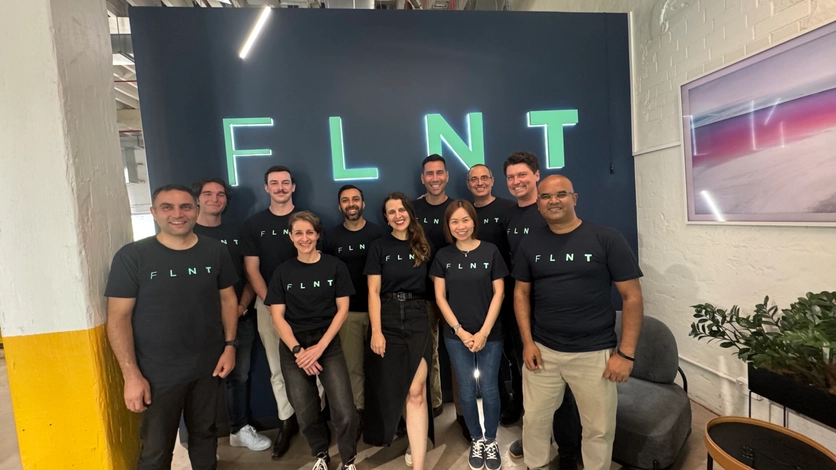
FLNT is proudly Australian-owned and based in Sydney. For more information, you can visit their websitehereor view their LinkedInhere. To keep up with FLNT’s progress in AI, connect with Harry Bawahere.Previous ArticleNext Article
Previous ArticleNext Article