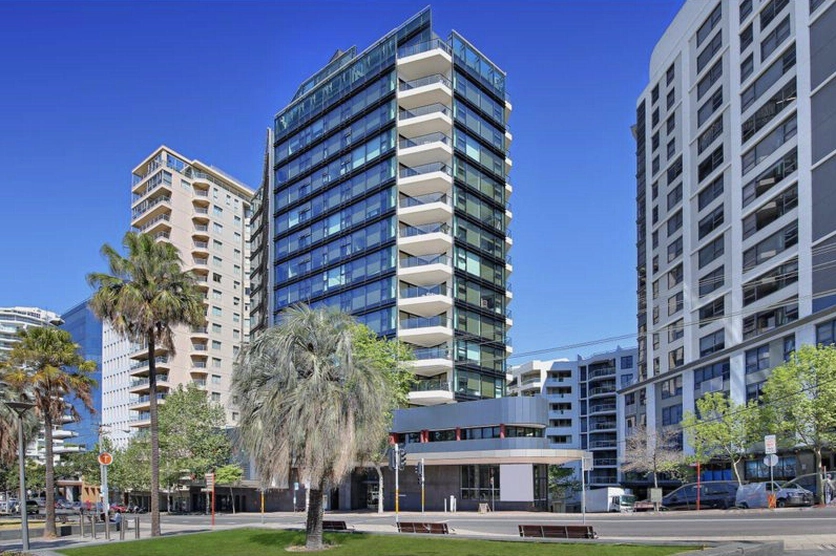
There is expected to be an increase in the number of CBD offices being converted into residential dwellings over the next few years – and this is attracting the interest of some of the country’s largest institutional investors.Several of the country’s CBDs have recently witnessed an increase in office vacancies and thus falling property yields, despite the end of COVID and employees returning to the office, at least part of the week.The demise of some of these offices is the result of business tenants seeking to reduce costs as inflation and interest rates rise – and seeing reducing the amount of office space as a means to reduce their expenses.Recently, Victorian Premier Daniel Andrews said Melbourne CBD’s future vibrancy could depend on increased resident numbers and converting office space into dwellings. Adelaide Lord Mayor Jane Lomax-Smith similarly recently pitched the idea to investors of converting under-utilised office spaces into residential offerings.For investors, the residential rental market has exploded, with residential square metre rates for rental surpassing their counterparts with commercial tenancies.Commercial buildings are ideal candidates for conversions to high end residential product. Their large floor heights, typically 3.5-4m in legacy stock provides a superior product to purpose built residential flat building shock that generally have 3.1m floor to floor height levels. This means converted stock result in higher ceilings and a more luxurious offering.Tropically, the buildings are also highly glazed, a phenomenon that residential apartments haven’t been able to achieve historically for the cost requirement. Introduction or conversion of some of these spaces into winter gardens can result in large residential product that has high utility.However, converting offices to residential premises requires more than quick, interiorfit-outs. There are specialist turnaround techniques to change old office buildings into successful residential complexes and apartments that people will want to invest, own, and live in.Redeveloping and designing for yieldAn important element that institutional investors need to be aware of is whether the redesigned and developed dwellings are ultimately focussed on yield. Design and yield, or return, are very much interdependent – and even more crucial in today’s market turmoil.These yield-enhancing elements can include simplified construction methodology, design consideration around structure, waterproofing, facades and glazing. More robust buildings will ultimately cost less to maintain and hold their value for longer.Other key yield-enhancing elements include good lighting, with natural light where possible. Solar panels are a must for most developments these days, along with battery storage, to improve the sustainability of the development and reduce costs. Considered apartment layouts including seamless flow of kitchen and living/dining room transitions, smart storage solutions and kitchen designs are also essential.Spaces that bring people together, to live, to socialise; or in offices spaces to network, to create also contribute favourably to higher yields. This might be a dedicated space, such as a café.Another key design aspect for increasing yield is ease of maintaining the property – is it easy or hard to maintain? This is a key feature of design and should be addressed from the initial stages of planning.Curb appeal is another important design element: is the building attractive from the street, the entrance – for visitors as well as employees working there? Or does the next one down the road appear better?Not all are suitable for conversionNot all commercial and office buildings will convert into residential stock.Some will be better as mixed-use buildings, buildings that house homes, co-working, semi-retail offerings such as food and beverage, boutique commercial – all in the same building.This provides a diversified property asset that can withstand falls in one sector alone.This is one reason why commercial buildings converted into such residential mixed-use premises are in greater demand than standard office to apartment projects.Also, the commercial assets can come into the market faster, cheaper and with a higher yield. Pair this with the ability to sell off components of the building at a higher yield – typically 2.5 – 4.5% for residential versus 5 -7% for commercial.Author:James Alexander-Hatziplis co-founder and CEO of PLACE StudioPrevious ArticleNext Article
Several of the country’s CBDs have recently witnessed an increase in office vacancies and thus falling property yields, despite the end of COVID and employees returning to the office, at least part of the week.The demise of some of these offices is the result of business tenants seeking to reduce costs as inflation and interest rates rise – and seeing reducing the amount of office space as a means to reduce their expenses.Recently, Victorian Premier Daniel Andrews said Melbourne CBD’s future vibrancy could depend on increased resident numbers and converting office space into dwellings. Adelaide Lord Mayor Jane Lomax-Smith similarly recently pitched the idea to investors of converting under-utilised office spaces into residential offerings.For investors, the residential rental market has exploded, with residential square metre rates for rental surpassing their counterparts with commercial tenancies.Commercial buildings are ideal candidates for conversions to high end residential product. Their large floor heights, typically 3.5-4m in legacy stock provides a superior product to purpose built residential flat building shock that generally have 3.1m floor to floor height levels. This means converted stock result in higher ceilings and a more luxurious offering.Tropically, the buildings are also highly glazed, a phenomenon that residential apartments haven’t been able to achieve historically for the cost requirement. Introduction or conversion of some of these spaces into winter gardens can result in large residential product that has high utility.However, converting offices to residential premises requires more than quick, interiorfit-outs. There are specialist turnaround techniques to change old office buildings into successful residential complexes and apartments that people will want to invest, own, and live in.Redeveloping and designing for yieldAn important element that institutional investors need to be aware of is whether the redesigned and developed dwellings are ultimately focussed on yield. Design and yield, or return, are very much interdependent – and even more crucial in today’s market turmoil.These yield-enhancing elements can include simplified construction methodology, design consideration around structure, waterproofing, facades and glazing. More robust buildings will ultimately cost less to maintain and hold their value for longer.Other key yield-enhancing elements include good lighting, with natural light where possible. Solar panels are a must for most developments these days, along with battery storage, to improve the sustainability of the development and reduce costs. Considered apartment layouts including seamless flow of kitchen and living/dining room transitions, smart storage solutions and kitchen designs are also essential.Spaces that bring people together, to live, to socialise; or in offices spaces to network, to create also contribute favourably to higher yields. This might be a dedicated space, such as a café.Another key design aspect for increasing yield is ease of maintaining the property – is it easy or hard to maintain? This is a key feature of design and should be addressed from the initial stages of planning.Curb appeal is another important design element: is the building attractive from the street, the entrance – for visitors as well as employees working there? Or does the next one down the road appear better?Not all are suitable for conversionNot all commercial and office buildings will convert into residential stock.Some will be better as mixed-use buildings, buildings that house homes, co-working, semi-retail offerings such as food and beverage, boutique commercial – all in the same building.This provides a diversified property asset that can withstand falls in one sector alone.This is one reason why commercial buildings converted into such residential mixed-use premises are in greater demand than standard office to apartment projects.Also, the commercial assets can come into the market faster, cheaper and with a higher yield. Pair this with the ability to sell off components of the building at a higher yield – typically 2.5 – 4.5% for residential versus 5 -7% for commercial.Author:James Alexander-Hatziplis co-founder and CEO of PLACE StudioPrevious ArticleNext Article
The demise of some of these offices is the result of business tenants seeking to reduce costs as inflation and interest rates rise – and seeing reducing the amount of office space as a means to reduce their expenses.Recently, Victorian Premier Daniel Andrews said Melbourne CBD’s future vibrancy could depend on increased resident numbers and converting office space into dwellings. Adelaide Lord Mayor Jane Lomax-Smith similarly recently pitched the idea to investors of converting under-utilised office spaces into residential offerings.For investors, the residential rental market has exploded, with residential square metre rates for rental surpassing their counterparts with commercial tenancies.Commercial buildings are ideal candidates for conversions to high end residential product. Their large floor heights, typically 3.5-4m in legacy stock provides a superior product to purpose built residential flat building shock that generally have 3.1m floor to floor height levels. This means converted stock result in higher ceilings and a more luxurious offering.Tropically, the buildings are also highly glazed, a phenomenon that residential apartments haven’t been able to achieve historically for the cost requirement. Introduction or conversion of some of these spaces into winter gardens can result in large residential product that has high utility.However, converting offices to residential premises requires more than quick, interiorfit-outs. There are specialist turnaround techniques to change old office buildings into successful residential complexes and apartments that people will want to invest, own, and live in.Redeveloping and designing for yieldAn important element that institutional investors need to be aware of is whether the redesigned and developed dwellings are ultimately focussed on yield. Design and yield, or return, are very much interdependent – and even more crucial in today’s market turmoil.These yield-enhancing elements can include simplified construction methodology, design consideration around structure, waterproofing, facades and glazing. More robust buildings will ultimately cost less to maintain and hold their value for longer.Other key yield-enhancing elements include good lighting, with natural light where possible. Solar panels are a must for most developments these days, along with battery storage, to improve the sustainability of the development and reduce costs. Considered apartment layouts including seamless flow of kitchen and living/dining room transitions, smart storage solutions and kitchen designs are also essential.Spaces that bring people together, to live, to socialise; or in offices spaces to network, to create also contribute favourably to higher yields. This might be a dedicated space, such as a café.Another key design aspect for increasing yield is ease of maintaining the property – is it easy or hard to maintain? This is a key feature of design and should be addressed from the initial stages of planning.Curb appeal is another important design element: is the building attractive from the street, the entrance – for visitors as well as employees working there? Or does the next one down the road appear better?Not all are suitable for conversionNot all commercial and office buildings will convert into residential stock.Some will be better as mixed-use buildings, buildings that house homes, co-working, semi-retail offerings such as food and beverage, boutique commercial – all in the same building.This provides a diversified property asset that can withstand falls in one sector alone.This is one reason why commercial buildings converted into such residential mixed-use premises are in greater demand than standard office to apartment projects.Also, the commercial assets can come into the market faster, cheaper and with a higher yield. Pair this with the ability to sell off components of the building at a higher yield – typically 2.5 – 4.5% for residential versus 5 -7% for commercial.Author:James Alexander-Hatziplis co-founder and CEO of PLACE StudioPrevious ArticleNext Article
Recently, Victorian Premier Daniel Andrews said Melbourne CBD’s future vibrancy could depend on increased resident numbers and converting office space into dwellings. Adelaide Lord Mayor Jane Lomax-Smith similarly recently pitched the idea to investors of converting under-utilised office spaces into residential offerings.For investors, the residential rental market has exploded, with residential square metre rates for rental surpassing their counterparts with commercial tenancies.Commercial buildings are ideal candidates for conversions to high end residential product. Their large floor heights, typically 3.5-4m in legacy stock provides a superior product to purpose built residential flat building shock that generally have 3.1m floor to floor height levels. This means converted stock result in higher ceilings and a more luxurious offering.Tropically, the buildings are also highly glazed, a phenomenon that residential apartments haven’t been able to achieve historically for the cost requirement. Introduction or conversion of some of these spaces into winter gardens can result in large residential product that has high utility.However, converting offices to residential premises requires more than quick, interiorfit-outs. There are specialist turnaround techniques to change old office buildings into successful residential complexes and apartments that people will want to invest, own, and live in.Redeveloping and designing for yieldAn important element that institutional investors need to be aware of is whether the redesigned and developed dwellings are ultimately focussed on yield. Design and yield, or return, are very much interdependent – and even more crucial in today’s market turmoil.These yield-enhancing elements can include simplified construction methodology, design consideration around structure, waterproofing, facades and glazing. More robust buildings will ultimately cost less to maintain and hold their value for longer.Other key yield-enhancing elements include good lighting, with natural light where possible. Solar panels are a must for most developments these days, along with battery storage, to improve the sustainability of the development and reduce costs. Considered apartment layouts including seamless flow of kitchen and living/dining room transitions, smart storage solutions and kitchen designs are also essential.Spaces that bring people together, to live, to socialise; or in offices spaces to network, to create also contribute favourably to higher yields. This might be a dedicated space, such as a café.Another key design aspect for increasing yield is ease of maintaining the property – is it easy or hard to maintain? This is a key feature of design and should be addressed from the initial stages of planning.Curb appeal is another important design element: is the building attractive from the street, the entrance – for visitors as well as employees working there? Or does the next one down the road appear better?Not all are suitable for conversionNot all commercial and office buildings will convert into residential stock.Some will be better as mixed-use buildings, buildings that house homes, co-working, semi-retail offerings such as food and beverage, boutique commercial – all in the same building.This provides a diversified property asset that can withstand falls in one sector alone.This is one reason why commercial buildings converted into such residential mixed-use premises are in greater demand than standard office to apartment projects.Also, the commercial assets can come into the market faster, cheaper and with a higher yield. Pair this with the ability to sell off components of the building at a higher yield – typically 2.5 – 4.5% for residential versus 5 -7% for commercial.Author:James Alexander-Hatziplis co-founder and CEO of PLACE StudioPrevious ArticleNext Article
For investors, the residential rental market has exploded, with residential square metre rates for rental surpassing their counterparts with commercial tenancies.Commercial buildings are ideal candidates for conversions to high end residential product. Their large floor heights, typically 3.5-4m in legacy stock provides a superior product to purpose built residential flat building shock that generally have 3.1m floor to floor height levels. This means converted stock result in higher ceilings and a more luxurious offering.Tropically, the buildings are also highly glazed, a phenomenon that residential apartments haven’t been able to achieve historically for the cost requirement. Introduction or conversion of some of these spaces into winter gardens can result in large residential product that has high utility.However, converting offices to residential premises requires more than quick, interiorfit-outs. There are specialist turnaround techniques to change old office buildings into successful residential complexes and apartments that people will want to invest, own, and live in.Redeveloping and designing for yieldAn important element that institutional investors need to be aware of is whether the redesigned and developed dwellings are ultimately focussed on yield. Design and yield, or return, are very much interdependent – and even more crucial in today’s market turmoil.These yield-enhancing elements can include simplified construction methodology, design consideration around structure, waterproofing, facades and glazing. More robust buildings will ultimately cost less to maintain and hold their value for longer.Other key yield-enhancing elements include good lighting, with natural light where possible. Solar panels are a must for most developments these days, along with battery storage, to improve the sustainability of the development and reduce costs. Considered apartment layouts including seamless flow of kitchen and living/dining room transitions, smart storage solutions and kitchen designs are also essential.Spaces that bring people together, to live, to socialise; or in offices spaces to network, to create also contribute favourably to higher yields. This might be a dedicated space, such as a café.Another key design aspect for increasing yield is ease of maintaining the property – is it easy or hard to maintain? This is a key feature of design and should be addressed from the initial stages of planning.Curb appeal is another important design element: is the building attractive from the street, the entrance – for visitors as well as employees working there? Or does the next one down the road appear better?Not all are suitable for conversionNot all commercial and office buildings will convert into residential stock.Some will be better as mixed-use buildings, buildings that house homes, co-working, semi-retail offerings such as food and beverage, boutique commercial – all in the same building.This provides a diversified property asset that can withstand falls in one sector alone.This is one reason why commercial buildings converted into such residential mixed-use premises are in greater demand than standard office to apartment projects.Also, the commercial assets can come into the market faster, cheaper and with a higher yield. Pair this with the ability to sell off components of the building at a higher yield – typically 2.5 – 4.5% for residential versus 5 -7% for commercial.Author:James Alexander-Hatziplis co-founder and CEO of PLACE StudioPrevious ArticleNext Article
Commercial buildings are ideal candidates for conversions to high end residential product. Their large floor heights, typically 3.5-4m in legacy stock provides a superior product to purpose built residential flat building shock that generally have 3.1m floor to floor height levels. This means converted stock result in higher ceilings and a more luxurious offering.Tropically, the buildings are also highly glazed, a phenomenon that residential apartments haven’t been able to achieve historically for the cost requirement. Introduction or conversion of some of these spaces into winter gardens can result in large residential product that has high utility.However, converting offices to residential premises requires more than quick, interiorfit-outs. There are specialist turnaround techniques to change old office buildings into successful residential complexes and apartments that people will want to invest, own, and live in.Redeveloping and designing for yieldAn important element that institutional investors need to be aware of is whether the redesigned and developed dwellings are ultimately focussed on yield. Design and yield, or return, are very much interdependent – and even more crucial in today’s market turmoil.These yield-enhancing elements can include simplified construction methodology, design consideration around structure, waterproofing, facades and glazing. More robust buildings will ultimately cost less to maintain and hold their value for longer.Other key yield-enhancing elements include good lighting, with natural light where possible. Solar panels are a must for most developments these days, along with battery storage, to improve the sustainability of the development and reduce costs. Considered apartment layouts including seamless flow of kitchen and living/dining room transitions, smart storage solutions and kitchen designs are also essential.Spaces that bring people together, to live, to socialise; or in offices spaces to network, to create also contribute favourably to higher yields. This might be a dedicated space, such as a café.Another key design aspect for increasing yield is ease of maintaining the property – is it easy or hard to maintain? This is a key feature of design and should be addressed from the initial stages of planning.Curb appeal is another important design element: is the building attractive from the street, the entrance – for visitors as well as employees working there? Or does the next one down the road appear better?Not all are suitable for conversionNot all commercial and office buildings will convert into residential stock.Some will be better as mixed-use buildings, buildings that house homes, co-working, semi-retail offerings such as food and beverage, boutique commercial – all in the same building.This provides a diversified property asset that can withstand falls in one sector alone.This is one reason why commercial buildings converted into such residential mixed-use premises are in greater demand than standard office to apartment projects.Also, the commercial assets can come into the market faster, cheaper and with a higher yield. Pair this with the ability to sell off components of the building at a higher yield – typically 2.5 – 4.5% for residential versus 5 -7% for commercial.Author:James Alexander-Hatziplis co-founder and CEO of PLACE StudioPrevious ArticleNext Article
Tropically, the buildings are also highly glazed, a phenomenon that residential apartments haven’t been able to achieve historically for the cost requirement. Introduction or conversion of some of these spaces into winter gardens can result in large residential product that has high utility.However, converting offices to residential premises requires more than quick, interiorfit-outs. There are specialist turnaround techniques to change old office buildings into successful residential complexes and apartments that people will want to invest, own, and live in.Redeveloping and designing for yieldAn important element that institutional investors need to be aware of is whether the redesigned and developed dwellings are ultimately focussed on yield. Design and yield, or return, are very much interdependent – and even more crucial in today’s market turmoil.These yield-enhancing elements can include simplified construction methodology, design consideration around structure, waterproofing, facades and glazing. More robust buildings will ultimately cost less to maintain and hold their value for longer.Other key yield-enhancing elements include good lighting, with natural light where possible. Solar panels are a must for most developments these days, along with battery storage, to improve the sustainability of the development and reduce costs. Considered apartment layouts including seamless flow of kitchen and living/dining room transitions, smart storage solutions and kitchen designs are also essential.Spaces that bring people together, to live, to socialise; or in offices spaces to network, to create also contribute favourably to higher yields. This might be a dedicated space, such as a café.Another key design aspect for increasing yield is ease of maintaining the property – is it easy or hard to maintain? This is a key feature of design and should be addressed from the initial stages of planning.Curb appeal is another important design element: is the building attractive from the street, the entrance – for visitors as well as employees working there? Or does the next one down the road appear better?Not all are suitable for conversionNot all commercial and office buildings will convert into residential stock.Some will be better as mixed-use buildings, buildings that house homes, co-working, semi-retail offerings such as food and beverage, boutique commercial – all in the same building.This provides a diversified property asset that can withstand falls in one sector alone.This is one reason why commercial buildings converted into such residential mixed-use premises are in greater demand than standard office to apartment projects.Also, the commercial assets can come into the market faster, cheaper and with a higher yield. Pair this with the ability to sell off components of the building at a higher yield – typically 2.5 – 4.5% for residential versus 5 -7% for commercial.Author:James Alexander-Hatziplis co-founder and CEO of PLACE StudioPrevious ArticleNext Article
However, converting offices to residential premises requires more than quick, interiorfit-outs. There are specialist turnaround techniques to change old office buildings into successful residential complexes and apartments that people will want to invest, own, and live in.Redeveloping and designing for yieldAn important element that institutional investors need to be aware of is whether the redesigned and developed dwellings are ultimately focussed on yield. Design and yield, or return, are very much interdependent – and even more crucial in today’s market turmoil.These yield-enhancing elements can include simplified construction methodology, design consideration around structure, waterproofing, facades and glazing. More robust buildings will ultimately cost less to maintain and hold their value for longer.Other key yield-enhancing elements include good lighting, with natural light where possible. Solar panels are a must for most developments these days, along with battery storage, to improve the sustainability of the development and reduce costs. Considered apartment layouts including seamless flow of kitchen and living/dining room transitions, smart storage solutions and kitchen designs are also essential.Spaces that bring people together, to live, to socialise; or in offices spaces to network, to create also contribute favourably to higher yields. This might be a dedicated space, such as a café.Another key design aspect for increasing yield is ease of maintaining the property – is it easy or hard to maintain? This is a key feature of design and should be addressed from the initial stages of planning.Curb appeal is another important design element: is the building attractive from the street, the entrance – for visitors as well as employees working there? Or does the next one down the road appear better?Not all are suitable for conversionNot all commercial and office buildings will convert into residential stock.Some will be better as mixed-use buildings, buildings that house homes, co-working, semi-retail offerings such as food and beverage, boutique commercial – all in the same building.This provides a diversified property asset that can withstand falls in one sector alone.This is one reason why commercial buildings converted into such residential mixed-use premises are in greater demand than standard office to apartment projects.Also, the commercial assets can come into the market faster, cheaper and with a higher yield. Pair this with the ability to sell off components of the building at a higher yield – typically 2.5 – 4.5% for residential versus 5 -7% for commercial.Author:James Alexander-Hatziplis co-founder and CEO of PLACE StudioPrevious ArticleNext Article
Redeveloping and designing for yieldAn important element that institutional investors need to be aware of is whether the redesigned and developed dwellings are ultimately focussed on yield. Design and yield, or return, are very much interdependent – and even more crucial in today’s market turmoil.These yield-enhancing elements can include simplified construction methodology, design consideration around structure, waterproofing, facades and glazing. More robust buildings will ultimately cost less to maintain and hold their value for longer.Other key yield-enhancing elements include good lighting, with natural light where possible. Solar panels are a must for most developments these days, along with battery storage, to improve the sustainability of the development and reduce costs. Considered apartment layouts including seamless flow of kitchen and living/dining room transitions, smart storage solutions and kitchen designs are also essential.Spaces that bring people together, to live, to socialise; or in offices spaces to network, to create also contribute favourably to higher yields. This might be a dedicated space, such as a café.Another key design aspect for increasing yield is ease of maintaining the property – is it easy or hard to maintain? This is a key feature of design and should be addressed from the initial stages of planning.Curb appeal is another important design element: is the building attractive from the street, the entrance – for visitors as well as employees working there? Or does the next one down the road appear better?Not all are suitable for conversionNot all commercial and office buildings will convert into residential stock.Some will be better as mixed-use buildings, buildings that house homes, co-working, semi-retail offerings such as food and beverage, boutique commercial – all in the same building.This provides a diversified property asset that can withstand falls in one sector alone.This is one reason why commercial buildings converted into such residential mixed-use premises are in greater demand than standard office to apartment projects.Also, the commercial assets can come into the market faster, cheaper and with a higher yield. Pair this with the ability to sell off components of the building at a higher yield – typically 2.5 – 4.5% for residential versus 5 -7% for commercial.Author:James Alexander-Hatziplis co-founder and CEO of PLACE StudioPrevious ArticleNext Article
An important element that institutional investors need to be aware of is whether the redesigned and developed dwellings are ultimately focussed on yield. Design and yield, or return, are very much interdependent – and even more crucial in today’s market turmoil.These yield-enhancing elements can include simplified construction methodology, design consideration around structure, waterproofing, facades and glazing. More robust buildings will ultimately cost less to maintain and hold their value for longer.Other key yield-enhancing elements include good lighting, with natural light where possible. Solar panels are a must for most developments these days, along with battery storage, to improve the sustainability of the development and reduce costs. Considered apartment layouts including seamless flow of kitchen and living/dining room transitions, smart storage solutions and kitchen designs are also essential.Spaces that bring people together, to live, to socialise; or in offices spaces to network, to create also contribute favourably to higher yields. This might be a dedicated space, such as a café.Another key design aspect for increasing yield is ease of maintaining the property – is it easy or hard to maintain? This is a key feature of design and should be addressed from the initial stages of planning.Curb appeal is another important design element: is the building attractive from the street, the entrance – for visitors as well as employees working there? Or does the next one down the road appear better?Not all are suitable for conversionNot all commercial and office buildings will convert into residential stock.Some will be better as mixed-use buildings, buildings that house homes, co-working, semi-retail offerings such as food and beverage, boutique commercial – all in the same building.This provides a diversified property asset that can withstand falls in one sector alone.This is one reason why commercial buildings converted into such residential mixed-use premises are in greater demand than standard office to apartment projects.Also, the commercial assets can come into the market faster, cheaper and with a higher yield. Pair this with the ability to sell off components of the building at a higher yield – typically 2.5 – 4.5% for residential versus 5 -7% for commercial.Author:James Alexander-Hatziplis co-founder and CEO of PLACE StudioPrevious ArticleNext Article
These yield-enhancing elements can include simplified construction methodology, design consideration around structure, waterproofing, facades and glazing. More robust buildings will ultimately cost less to maintain and hold their value for longer.Other key yield-enhancing elements include good lighting, with natural light where possible. Solar panels are a must for most developments these days, along with battery storage, to improve the sustainability of the development and reduce costs. Considered apartment layouts including seamless flow of kitchen and living/dining room transitions, smart storage solutions and kitchen designs are also essential.Spaces that bring people together, to live, to socialise; or in offices spaces to network, to create also contribute favourably to higher yields. This might be a dedicated space, such as a café.Another key design aspect for increasing yield is ease of maintaining the property – is it easy or hard to maintain? This is a key feature of design and should be addressed from the initial stages of planning.Curb appeal is another important design element: is the building attractive from the street, the entrance – for visitors as well as employees working there? Or does the next one down the road appear better?Not all are suitable for conversionNot all commercial and office buildings will convert into residential stock.Some will be better as mixed-use buildings, buildings that house homes, co-working, semi-retail offerings such as food and beverage, boutique commercial – all in the same building.This provides a diversified property asset that can withstand falls in one sector alone.This is one reason why commercial buildings converted into such residential mixed-use premises are in greater demand than standard office to apartment projects.Also, the commercial assets can come into the market faster, cheaper and with a higher yield. Pair this with the ability to sell off components of the building at a higher yield – typically 2.5 – 4.5% for residential versus 5 -7% for commercial.Author:James Alexander-Hatziplis co-founder and CEO of PLACE StudioPrevious ArticleNext Article
Other key yield-enhancing elements include good lighting, with natural light where possible. Solar panels are a must for most developments these days, along with battery storage, to improve the sustainability of the development and reduce costs. Considered apartment layouts including seamless flow of kitchen and living/dining room transitions, smart storage solutions and kitchen designs are also essential.Spaces that bring people together, to live, to socialise; or in offices spaces to network, to create also contribute favourably to higher yields. This might be a dedicated space, such as a café.Another key design aspect for increasing yield is ease of maintaining the property – is it easy or hard to maintain? This is a key feature of design and should be addressed from the initial stages of planning.Curb appeal is another important design element: is the building attractive from the street, the entrance – for visitors as well as employees working there? Or does the next one down the road appear better?Not all are suitable for conversionNot all commercial and office buildings will convert into residential stock.Some will be better as mixed-use buildings, buildings that house homes, co-working, semi-retail offerings such as food and beverage, boutique commercial – all in the same building.This provides a diversified property asset that can withstand falls in one sector alone.This is one reason why commercial buildings converted into such residential mixed-use premises are in greater demand than standard office to apartment projects.Also, the commercial assets can come into the market faster, cheaper and with a higher yield. Pair this with the ability to sell off components of the building at a higher yield – typically 2.5 – 4.5% for residential versus 5 -7% for commercial.Author:James Alexander-Hatziplis co-founder and CEO of PLACE StudioPrevious ArticleNext Article
Spaces that bring people together, to live, to socialise; or in offices spaces to network, to create also contribute favourably to higher yields. This might be a dedicated space, such as a café.Another key design aspect for increasing yield is ease of maintaining the property – is it easy or hard to maintain? This is a key feature of design and should be addressed from the initial stages of planning.Curb appeal is another important design element: is the building attractive from the street, the entrance – for visitors as well as employees working there? Or does the next one down the road appear better?Not all are suitable for conversionNot all commercial and office buildings will convert into residential stock.Some will be better as mixed-use buildings, buildings that house homes, co-working, semi-retail offerings such as food and beverage, boutique commercial – all in the same building.This provides a diversified property asset that can withstand falls in one sector alone.This is one reason why commercial buildings converted into such residential mixed-use premises are in greater demand than standard office to apartment projects.Also, the commercial assets can come into the market faster, cheaper and with a higher yield. Pair this with the ability to sell off components of the building at a higher yield – typically 2.5 – 4.5% for residential versus 5 -7% for commercial.Author:James Alexander-Hatziplis co-founder and CEO of PLACE StudioPrevious ArticleNext Article
Another key design aspect for increasing yield is ease of maintaining the property – is it easy or hard to maintain? This is a key feature of design and should be addressed from the initial stages of planning.Curb appeal is another important design element: is the building attractive from the street, the entrance – for visitors as well as employees working there? Or does the next one down the road appear better?Not all are suitable for conversionNot all commercial and office buildings will convert into residential stock.Some will be better as mixed-use buildings, buildings that house homes, co-working, semi-retail offerings such as food and beverage, boutique commercial – all in the same building.This provides a diversified property asset that can withstand falls in one sector alone.This is one reason why commercial buildings converted into such residential mixed-use premises are in greater demand than standard office to apartment projects.Also, the commercial assets can come into the market faster, cheaper and with a higher yield. Pair this with the ability to sell off components of the building at a higher yield – typically 2.5 – 4.5% for residential versus 5 -7% for commercial.Author:James Alexander-Hatziplis co-founder and CEO of PLACE StudioPrevious ArticleNext Article
Curb appeal is another important design element: is the building attractive from the street, the entrance – for visitors as well as employees working there? Or does the next one down the road appear better?Not all are suitable for conversionNot all commercial and office buildings will convert into residential stock.Some will be better as mixed-use buildings, buildings that house homes, co-working, semi-retail offerings such as food and beverage, boutique commercial – all in the same building.This provides a diversified property asset that can withstand falls in one sector alone.This is one reason why commercial buildings converted into such residential mixed-use premises are in greater demand than standard office to apartment projects.Also, the commercial assets can come into the market faster, cheaper and with a higher yield. Pair this with the ability to sell off components of the building at a higher yield – typically 2.5 – 4.5% for residential versus 5 -7% for commercial.Author:James Alexander-Hatziplis co-founder and CEO of PLACE StudioPrevious ArticleNext Article
Not all are suitable for conversionNot all commercial and office buildings will convert into residential stock.Some will be better as mixed-use buildings, buildings that house homes, co-working, semi-retail offerings such as food and beverage, boutique commercial – all in the same building.This provides a diversified property asset that can withstand falls in one sector alone.This is one reason why commercial buildings converted into such residential mixed-use premises are in greater demand than standard office to apartment projects.Also, the commercial assets can come into the market faster, cheaper and with a higher yield. Pair this with the ability to sell off components of the building at a higher yield – typically 2.5 – 4.5% for residential versus 5 -7% for commercial.Author:James Alexander-Hatziplis co-founder and CEO of PLACE StudioPrevious ArticleNext Article
Not all commercial and office buildings will convert into residential stock.Some will be better as mixed-use buildings, buildings that house homes, co-working, semi-retail offerings such as food and beverage, boutique commercial – all in the same building.This provides a diversified property asset that can withstand falls in one sector alone.This is one reason why commercial buildings converted into such residential mixed-use premises are in greater demand than standard office to apartment projects.Also, the commercial assets can come into the market faster, cheaper and with a higher yield. Pair this with the ability to sell off components of the building at a higher yield – typically 2.5 – 4.5% for residential versus 5 -7% for commercial.Author:James Alexander-Hatziplis co-founder and CEO of PLACE StudioPrevious ArticleNext Article
Some will be better as mixed-use buildings, buildings that house homes, co-working, semi-retail offerings such as food and beverage, boutique commercial – all in the same building.This provides a diversified property asset that can withstand falls in one sector alone.This is one reason why commercial buildings converted into such residential mixed-use premises are in greater demand than standard office to apartment projects.Also, the commercial assets can come into the market faster, cheaper and with a higher yield. Pair this with the ability to sell off components of the building at a higher yield – typically 2.5 – 4.5% for residential versus 5 -7% for commercial.Author:James Alexander-Hatziplis co-founder and CEO of PLACE StudioPrevious ArticleNext Article
This provides a diversified property asset that can withstand falls in one sector alone.This is one reason why commercial buildings converted into such residential mixed-use premises are in greater demand than standard office to apartment projects.Also, the commercial assets can come into the market faster, cheaper and with a higher yield. Pair this with the ability to sell off components of the building at a higher yield – typically 2.5 – 4.5% for residential versus 5 -7% for commercial.Author:James Alexander-Hatziplis co-founder and CEO of PLACE StudioPrevious ArticleNext Article
This is one reason why commercial buildings converted into such residential mixed-use premises are in greater demand than standard office to apartment projects.Also, the commercial assets can come into the market faster, cheaper and with a higher yield. Pair this with the ability to sell off components of the building at a higher yield – typically 2.5 – 4.5% for residential versus 5 -7% for commercial.Author:James Alexander-Hatziplis co-founder and CEO of PLACE StudioPrevious ArticleNext Article
Also, the commercial assets can come into the market faster, cheaper and with a higher yield. Pair this with the ability to sell off components of the building at a higher yield – typically 2.5 – 4.5% for residential versus 5 -7% for commercial.Author:James Alexander-Hatziplis co-founder and CEO of PLACE StudioPrevious ArticleNext Article
Author:James Alexander-Hatziplis co-founder and CEO of PLACE StudioPrevious ArticleNext Article