Melbourne’s commercial property market is beginning to stabilise, with NAB’s latest Commercial Property Index showing the first signs of growth since 2022. Confidence is being led by a recovery in office demand, complemented by renewed interest in retail space, and supported by improving investor sentiment.Office Demand StrengthensOffice property sentiment lifted 21 points in Q2 2025, marking Melbourne’s first upward shift since the pandemic. Businesses are regaining confidence to lease, expand operations, or purchase property, with both local and interstate investors re-engaging in the market. NAB highlighted this as a positive signal for the broader economy, with improving confidence feeding into employment and growth outlooks.Retail Interest GrowingThe report also flagged an uptick in demand for retail space, reflecting Melbourne’s role as a magnet for migration and consumer activity. With house prices still more affordable than Sydney, Brisbane, or Canberra, population growth is spilling into commercial leasing needs as businesses scale to service new communities.Vacancy Rates Show ResilienceDespite national office vacancies climbing to a 30-year high of 15.2%, Melbourne is bucking the trend. The city’s vacancy rate edged down from 18% to 17.9%, while Brisbane, Canberra and Sydney saw further rises. This signals a modest yet meaningful resilience in Melbourne’s CBD, even as hybrid work keeps full-time occupancy levels below pre-pandemic norms.Opportunities for Brokers and BuyersIndustry players see upside beyond landlords and tenants. Brokers, in particular, are identifying opportunities to diversify by servicing small business owners in commercial property. Many businesses are pursuing owner-occupied purchases, reducing rental outgoings while building long-term asset portfolios. With conditions still favouring buyers, this trend is expected to add momentum through 2025.Outlook for H2 2025After a sluggish 2024, Melbourne’s commercial property market is showing early signs of revival. Interest rate cuts are drawing investors back, migration is fuelling both residential and commercial demand, and office sentiment is turning cautiously positive. While hybrid work preferences continue to weigh on CBD occupancy, Melbourne’s stabilising vacancy rates and growing owner-occupier demand suggest the city may be entering the first phase of recovery.For detailed retail lease data and portfolio benchmarking insights, subscribe toCommercial Leasing NewsbyLeaseInfo.Previous ArticleNext Article
Melbourne’s commercial property market is beginning to stabilise, with NAB’s latest Commercial Property Index showing the first signs of growth since 2022. Confidence is being led by a recovery in office demand, complemented by renewed interest in retail space, and supported by improving investor sentiment.Office Demand StrengthensOffice property sentiment lifted 21 points in Q2 2025, marking Melbourne’s first upward shift since the pandemic. Businesses are regaining confidence to lease, expand operations, or purchase property, with both local and interstate investors re-engaging in the market. NAB highlighted this as a positive signal for the broader economy, with improving confidence feeding into employment and growth outlooks.Retail Interest GrowingThe report also flagged an uptick in demand for retail space, reflecting Melbourne’s role as a magnet for migration and consumer activity. With house prices still more affordable than Sydney, Brisbane, or Canberra, population growth is spilling into commercial leasing needs as businesses scale to service new communities.Vacancy Rates Show ResilienceDespite national office vacancies climbing to a 30-year high of 15.2%, Melbourne is bucking the trend. The city’s vacancy rate edged down from 18% to 17.9%, while Brisbane, Canberra and Sydney saw further rises. This signals a modest yet meaningful resilience in Melbourne’s CBD, even as hybrid work keeps full-time occupancy levels below pre-pandemic norms.Opportunities for Brokers and BuyersIndustry players see upside beyond landlords and tenants. Brokers, in particular, are identifying opportunities to diversify by servicing small business owners in commercial property. Many businesses are pursuing owner-occupied purchases, reducing rental outgoings while building long-term asset portfolios. With conditions still favouring buyers, this trend is expected to add momentum through 2025.Outlook for H2 2025After a sluggish 2024, Melbourne’s commercial property market is showing early signs of revival. Interest rate cuts are drawing investors back, migration is fuelling both residential and commercial demand, and office sentiment is turning cautiously positive. While hybrid work preferences continue to weigh on CBD occupancy, Melbourne’s stabilising vacancy rates and growing owner-occupier demand suggest the city may be entering the first phase of recovery.For detailed retail lease data and portfolio benchmarking insights, subscribe toCommercial Leasing NewsbyLeaseInfo.Previous ArticleNext Article
Office Demand Strengthens
Office property sentiment lifted 21 points in Q2 2025, marking Melbourne’s first upward shift since the pandemic. Businesses are regaining confidence to lease, expand operations, or purchase property, with both local and interstate investors re-engaging in the market. NAB highlighted this as a positive signal for the broader economy, with improving confidence feeding into employment and growth outlooks.Retail Interest GrowingThe report also flagged an uptick in demand for retail space, reflecting Melbourne’s role as a magnet for migration and consumer activity. With house prices still more affordable than Sydney, Brisbane, or Canberra, population growth is spilling into commercial leasing needs as businesses scale to service new communities.Vacancy Rates Show ResilienceDespite national office vacancies climbing to a 30-year high of 15.2%, Melbourne is bucking the trend. The city’s vacancy rate edged down from 18% to 17.9%, while Brisbane, Canberra and Sydney saw further rises. This signals a modest yet meaningful resilience in Melbourne’s CBD, even as hybrid work keeps full-time occupancy levels below pre-pandemic norms.Opportunities for Brokers and BuyersIndustry players see upside beyond landlords and tenants. Brokers, in particular, are identifying opportunities to diversify by servicing small business owners in commercial property. Many businesses are pursuing owner-occupied purchases, reducing rental outgoings while building long-term asset portfolios. With conditions still favouring buyers, this trend is expected to add momentum through 2025.Outlook for H2 2025After a sluggish 2024, Melbourne’s commercial property market is showing early signs of revival. Interest rate cuts are drawing investors back, migration is fuelling both residential and commercial demand, and office sentiment is turning cautiously positive. While hybrid work preferences continue to weigh on CBD occupancy, Melbourne’s stabilising vacancy rates and growing owner-occupier demand suggest the city may be entering the first phase of recovery.For detailed retail lease data and portfolio benchmarking insights, subscribe toCommercial Leasing NewsbyLeaseInfo.Previous ArticleNext Article
Retail Interest Growing
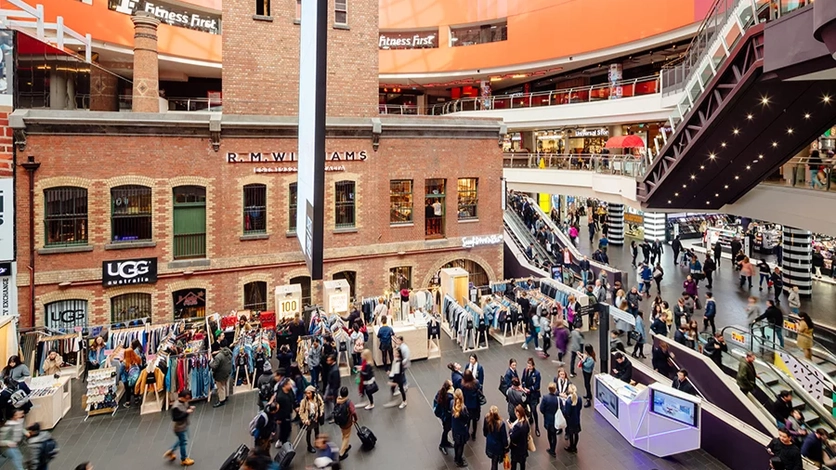
The report also flagged an uptick in demand for retail space, reflecting Melbourne’s role as a magnet for migration and consumer activity. With house prices still more affordable than Sydney, Brisbane, or Canberra, population growth is spilling into commercial leasing needs as businesses scale to service new communities.Vacancy Rates Show ResilienceDespite national office vacancies climbing to a 30-year high of 15.2%, Melbourne is bucking the trend. The city’s vacancy rate edged down from 18% to 17.9%, while Brisbane, Canberra and Sydney saw further rises. This signals a modest yet meaningful resilience in Melbourne’s CBD, even as hybrid work keeps full-time occupancy levels below pre-pandemic norms.Opportunities for Brokers and BuyersIndustry players see upside beyond landlords and tenants. Brokers, in particular, are identifying opportunities to diversify by servicing small business owners in commercial property. Many businesses are pursuing owner-occupied purchases, reducing rental outgoings while building long-term asset portfolios. With conditions still favouring buyers, this trend is expected to add momentum through 2025.Outlook for H2 2025After a sluggish 2024, Melbourne’s commercial property market is showing early signs of revival. Interest rate cuts are drawing investors back, migration is fuelling both residential and commercial demand, and office sentiment is turning cautiously positive. While hybrid work preferences continue to weigh on CBD occupancy, Melbourne’s stabilising vacancy rates and growing owner-occupier demand suggest the city may be entering the first phase of recovery.For detailed retail lease data and portfolio benchmarking insights, subscribe toCommercial Leasing NewsbyLeaseInfo.Previous ArticleNext Article
Vacancy Rates Show Resilience
Despite national office vacancies climbing to a 30-year high of 15.2%, Melbourne is bucking the trend. The city’s vacancy rate edged down from 18% to 17.9%, while Brisbane, Canberra and Sydney saw further rises. This signals a modest yet meaningful resilience in Melbourne’s CBD, even as hybrid work keeps full-time occupancy levels below pre-pandemic norms.Opportunities for Brokers and BuyersIndustry players see upside beyond landlords and tenants. Brokers, in particular, are identifying opportunities to diversify by servicing small business owners in commercial property. Many businesses are pursuing owner-occupied purchases, reducing rental outgoings while building long-term asset portfolios. With conditions still favouring buyers, this trend is expected to add momentum through 2025.Outlook for H2 2025After a sluggish 2024, Melbourne’s commercial property market is showing early signs of revival. Interest rate cuts are drawing investors back, migration is fuelling both residential and commercial demand, and office sentiment is turning cautiously positive. While hybrid work preferences continue to weigh on CBD occupancy, Melbourne’s stabilising vacancy rates and growing owner-occupier demand suggest the city may be entering the first phase of recovery.For detailed retail lease data and portfolio benchmarking insights, subscribe toCommercial Leasing NewsbyLeaseInfo.Previous ArticleNext Article
Opportunities for Brokers and Buyers
Industry players see upside beyond landlords and tenants. Brokers, in particular, are identifying opportunities to diversify by servicing small business owners in commercial property. Many businesses are pursuing owner-occupied purchases, reducing rental outgoings while building long-term asset portfolios. With conditions still favouring buyers, this trend is expected to add momentum through 2025.Outlook for H2 2025After a sluggish 2024, Melbourne’s commercial property market is showing early signs of revival. Interest rate cuts are drawing investors back, migration is fuelling both residential and commercial demand, and office sentiment is turning cautiously positive. While hybrid work preferences continue to weigh on CBD occupancy, Melbourne’s stabilising vacancy rates and growing owner-occupier demand suggest the city may be entering the first phase of recovery.For detailed retail lease data and portfolio benchmarking insights, subscribe toCommercial Leasing NewsbyLeaseInfo.Previous ArticleNext Article
Outlook for H2 2025
After a sluggish 2024, Melbourne’s commercial property market is showing early signs of revival. Interest rate cuts are drawing investors back, migration is fuelling both residential and commercial demand, and office sentiment is turning cautiously positive. While hybrid work preferences continue to weigh on CBD occupancy, Melbourne’s stabilising vacancy rates and growing owner-occupier demand suggest the city may be entering the first phase of recovery.For detailed retail lease data and portfolio benchmarking insights, subscribe toCommercial Leasing NewsbyLeaseInfo.Previous ArticleNext Article
For detailed retail lease data and portfolio benchmarking insights, subscribe toCommercial Leasing NewsbyLeaseInfo.Previous ArticleNext Article
Previous ArticleNext Article