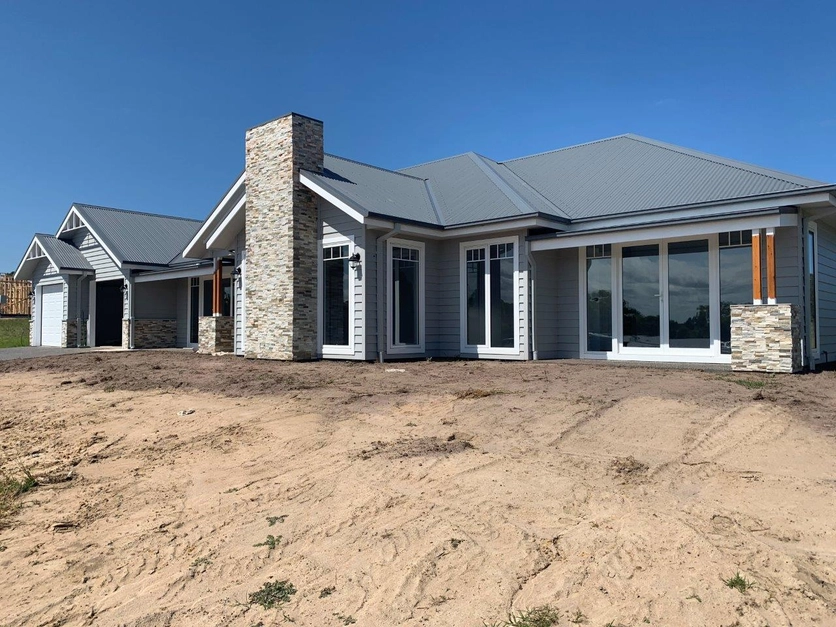
With the vast majority of Australians, 84 per cent, being impacted by extreme weather events in recent years1, ahead of the summer season Australians are being asked to consider how resilient their home is to challenging weather conditions.Australia’s largest franchise builder, G.J. Gardner Homes is asking this question after seeing an uptick in customers seeking resilient homes that can withstand the difficult Australian climate – like bushfires, floods and summer storms.G.J. Gardner Homes Chief Executive Officer Trent Gardner said its local builders draw on their shared experience, paired with local knowledge to build homes purpose fit for resilience against the range of extreme weather conditions faced by regions across the country.“Having a local builder who understands the weather conditions your specific property faces means you get tailored local knowledge backed by a global business,” Mr Gardner said.“Our business was born out of the Sunshine Coast, a region prone to severe storms, flooding and fires, so we know firsthand what it takes to build a resilient home that exceeds Australian standards in both design and style.”One of these local builders, Michael Ellett, owns and operates G.J. Gardner Homes East Gippsland – a community that was heavily impacted by the Black Summer bushfires in 2019.As a local to Gippsland, Mr Ellett understands the unique hazards of building in one of the most fire prone parts of the country.“When people think about a bushfire resistant home, they immediately assume it won’t have any street appeal – they think ‘bomb shelter’, but in 2024 this simply isn’t the case,” Mr Ellett said.“There is no shortage of fire-resistant materials – like your classic brick veneer, cladding, thicker and tougher windowpanes, decking, gables and even weather boards – and all these can be tailored to work within your budget and your desired look and feel.”Across Australia every year an estimated 5.6 million homes are at risk of the devastating impact of bushfires2, as climate change continues to increase so does the risk of extreme weather events3.“Customers who purchase in our community understand the risks of bushfires and they are willing to take them because they love the region,” Mr Ellett said.“What I want people to know is we now have the ability to build homes that can withstand the harshest conditions, so, should they need to evacuate they have a home to come back to.“Authorities might risk their lives to save you, but they won’t necessarily be able to defend your home – that’s where we come in.”In addition to custom features and fittings for weather durability, all G.J. Gardner Homes either meet or exceed the Australian standards for energy efficiency – ticking both the box for climate resistance and for environmental sustainability.To find out more visitG.J. Gardner Homes – Custom Home Builders (gjgardner.com.au).References1:Survey results: Climate-fueled disasters cause Australians to fear permanent loss of homes | Climate Council2:Bushfire: The Risk to Australia’s Property Market | Domain3:The facts about bushfires and climate change | Climate CouncilPrevious ArticleNext Article
Australia’s largest franchise builder, G.J. Gardner Homes is asking this question after seeing an uptick in customers seeking resilient homes that can withstand the difficult Australian climate – like bushfires, floods and summer storms.G.J. Gardner Homes Chief Executive Officer Trent Gardner said its local builders draw on their shared experience, paired with local knowledge to build homes purpose fit for resilience against the range of extreme weather conditions faced by regions across the country.“Having a local builder who understands the weather conditions your specific property faces means you get tailored local knowledge backed by a global business,” Mr Gardner said.“Our business was born out of the Sunshine Coast, a region prone to severe storms, flooding and fires, so we know firsthand what it takes to build a resilient home that exceeds Australian standards in both design and style.”One of these local builders, Michael Ellett, owns and operates G.J. Gardner Homes East Gippsland – a community that was heavily impacted by the Black Summer bushfires in 2019.As a local to Gippsland, Mr Ellett understands the unique hazards of building in one of the most fire prone parts of the country.“When people think about a bushfire resistant home, they immediately assume it won’t have any street appeal – they think ‘bomb shelter’, but in 2024 this simply isn’t the case,” Mr Ellett said.“There is no shortage of fire-resistant materials – like your classic brick veneer, cladding, thicker and tougher windowpanes, decking, gables and even weather boards – and all these can be tailored to work within your budget and your desired look and feel.”Across Australia every year an estimated 5.6 million homes are at risk of the devastating impact of bushfires2, as climate change continues to increase so does the risk of extreme weather events3.“Customers who purchase in our community understand the risks of bushfires and they are willing to take them because they love the region,” Mr Ellett said.“What I want people to know is we now have the ability to build homes that can withstand the harshest conditions, so, should they need to evacuate they have a home to come back to.“Authorities might risk their lives to save you, but they won’t necessarily be able to defend your home – that’s where we come in.”In addition to custom features and fittings for weather durability, all G.J. Gardner Homes either meet or exceed the Australian standards for energy efficiency – ticking both the box for climate resistance and for environmental sustainability.To find out more visitG.J. Gardner Homes – Custom Home Builders (gjgardner.com.au).References1:Survey results: Climate-fueled disasters cause Australians to fear permanent loss of homes | Climate Council2:Bushfire: The Risk to Australia’s Property Market | Domain3:The facts about bushfires and climate change | Climate CouncilPrevious ArticleNext Article
G.J. Gardner Homes Chief Executive Officer Trent Gardner said its local builders draw on their shared experience, paired with local knowledge to build homes purpose fit for resilience against the range of extreme weather conditions faced by regions across the country.“Having a local builder who understands the weather conditions your specific property faces means you get tailored local knowledge backed by a global business,” Mr Gardner said.“Our business was born out of the Sunshine Coast, a region prone to severe storms, flooding and fires, so we know firsthand what it takes to build a resilient home that exceeds Australian standards in both design and style.”One of these local builders, Michael Ellett, owns and operates G.J. Gardner Homes East Gippsland – a community that was heavily impacted by the Black Summer bushfires in 2019.As a local to Gippsland, Mr Ellett understands the unique hazards of building in one of the most fire prone parts of the country.“When people think about a bushfire resistant home, they immediately assume it won’t have any street appeal – they think ‘bomb shelter’, but in 2024 this simply isn’t the case,” Mr Ellett said.“There is no shortage of fire-resistant materials – like your classic brick veneer, cladding, thicker and tougher windowpanes, decking, gables and even weather boards – and all these can be tailored to work within your budget and your desired look and feel.”Across Australia every year an estimated 5.6 million homes are at risk of the devastating impact of bushfires2, as climate change continues to increase so does the risk of extreme weather events3.“Customers who purchase in our community understand the risks of bushfires and they are willing to take them because they love the region,” Mr Ellett said.“What I want people to know is we now have the ability to build homes that can withstand the harshest conditions, so, should they need to evacuate they have a home to come back to.“Authorities might risk their lives to save you, but they won’t necessarily be able to defend your home – that’s where we come in.”In addition to custom features and fittings for weather durability, all G.J. Gardner Homes either meet or exceed the Australian standards for energy efficiency – ticking both the box for climate resistance and for environmental sustainability.To find out more visitG.J. Gardner Homes – Custom Home Builders (gjgardner.com.au).References1:Survey results: Climate-fueled disasters cause Australians to fear permanent loss of homes | Climate Council2:Bushfire: The Risk to Australia’s Property Market | Domain3:The facts about bushfires and climate change | Climate CouncilPrevious ArticleNext Article
“Having a local builder who understands the weather conditions your specific property faces means you get tailored local knowledge backed by a global business,” Mr Gardner said.“Our business was born out of the Sunshine Coast, a region prone to severe storms, flooding and fires, so we know firsthand what it takes to build a resilient home that exceeds Australian standards in both design and style.”One of these local builders, Michael Ellett, owns and operates G.J. Gardner Homes East Gippsland – a community that was heavily impacted by the Black Summer bushfires in 2019.As a local to Gippsland, Mr Ellett understands the unique hazards of building in one of the most fire prone parts of the country.“When people think about a bushfire resistant home, they immediately assume it won’t have any street appeal – they think ‘bomb shelter’, but in 2024 this simply isn’t the case,” Mr Ellett said.“There is no shortage of fire-resistant materials – like your classic brick veneer, cladding, thicker and tougher windowpanes, decking, gables and even weather boards – and all these can be tailored to work within your budget and your desired look and feel.”Across Australia every year an estimated 5.6 million homes are at risk of the devastating impact of bushfires2, as climate change continues to increase so does the risk of extreme weather events3.“Customers who purchase in our community understand the risks of bushfires and they are willing to take them because they love the region,” Mr Ellett said.“What I want people to know is we now have the ability to build homes that can withstand the harshest conditions, so, should they need to evacuate they have a home to come back to.“Authorities might risk their lives to save you, but they won’t necessarily be able to defend your home – that’s where we come in.”In addition to custom features and fittings for weather durability, all G.J. Gardner Homes either meet or exceed the Australian standards for energy efficiency – ticking both the box for climate resistance and for environmental sustainability.To find out more visitG.J. Gardner Homes – Custom Home Builders (gjgardner.com.au).References1:Survey results: Climate-fueled disasters cause Australians to fear permanent loss of homes | Climate Council2:Bushfire: The Risk to Australia’s Property Market | Domain3:The facts about bushfires and climate change | Climate CouncilPrevious ArticleNext Article
“Our business was born out of the Sunshine Coast, a region prone to severe storms, flooding and fires, so we know firsthand what it takes to build a resilient home that exceeds Australian standards in both design and style.”One of these local builders, Michael Ellett, owns and operates G.J. Gardner Homes East Gippsland – a community that was heavily impacted by the Black Summer bushfires in 2019.As a local to Gippsland, Mr Ellett understands the unique hazards of building in one of the most fire prone parts of the country.“When people think about a bushfire resistant home, they immediately assume it won’t have any street appeal – they think ‘bomb shelter’, but in 2024 this simply isn’t the case,” Mr Ellett said.“There is no shortage of fire-resistant materials – like your classic brick veneer, cladding, thicker and tougher windowpanes, decking, gables and even weather boards – and all these can be tailored to work within your budget and your desired look and feel.”Across Australia every year an estimated 5.6 million homes are at risk of the devastating impact of bushfires2, as climate change continues to increase so does the risk of extreme weather events3.“Customers who purchase in our community understand the risks of bushfires and they are willing to take them because they love the region,” Mr Ellett said.“What I want people to know is we now have the ability to build homes that can withstand the harshest conditions, so, should they need to evacuate they have a home to come back to.“Authorities might risk their lives to save you, but they won’t necessarily be able to defend your home – that’s where we come in.”In addition to custom features and fittings for weather durability, all G.J. Gardner Homes either meet or exceed the Australian standards for energy efficiency – ticking both the box for climate resistance and for environmental sustainability.To find out more visitG.J. Gardner Homes – Custom Home Builders (gjgardner.com.au).References1:Survey results: Climate-fueled disasters cause Australians to fear permanent loss of homes | Climate Council2:Bushfire: The Risk to Australia’s Property Market | Domain3:The facts about bushfires and climate change | Climate CouncilPrevious ArticleNext Article
One of these local builders, Michael Ellett, owns and operates G.J. Gardner Homes East Gippsland – a community that was heavily impacted by the Black Summer bushfires in 2019.As a local to Gippsland, Mr Ellett understands the unique hazards of building in one of the most fire prone parts of the country.“When people think about a bushfire resistant home, they immediately assume it won’t have any street appeal – they think ‘bomb shelter’, but in 2024 this simply isn’t the case,” Mr Ellett said.“There is no shortage of fire-resistant materials – like your classic brick veneer, cladding, thicker and tougher windowpanes, decking, gables and even weather boards – and all these can be tailored to work within your budget and your desired look and feel.”Across Australia every year an estimated 5.6 million homes are at risk of the devastating impact of bushfires2, as climate change continues to increase so does the risk of extreme weather events3.“Customers who purchase in our community understand the risks of bushfires and they are willing to take them because they love the region,” Mr Ellett said.“What I want people to know is we now have the ability to build homes that can withstand the harshest conditions, so, should they need to evacuate they have a home to come back to.“Authorities might risk their lives to save you, but they won’t necessarily be able to defend your home – that’s where we come in.”In addition to custom features and fittings for weather durability, all G.J. Gardner Homes either meet or exceed the Australian standards for energy efficiency – ticking both the box for climate resistance and for environmental sustainability.To find out more visitG.J. Gardner Homes – Custom Home Builders (gjgardner.com.au).References1:Survey results: Climate-fueled disasters cause Australians to fear permanent loss of homes | Climate Council2:Bushfire: The Risk to Australia’s Property Market | Domain3:The facts about bushfires and climate change | Climate CouncilPrevious ArticleNext Article
As a local to Gippsland, Mr Ellett understands the unique hazards of building in one of the most fire prone parts of the country.“When people think about a bushfire resistant home, they immediately assume it won’t have any street appeal – they think ‘bomb shelter’, but in 2024 this simply isn’t the case,” Mr Ellett said.“There is no shortage of fire-resistant materials – like your classic brick veneer, cladding, thicker and tougher windowpanes, decking, gables and even weather boards – and all these can be tailored to work within your budget and your desired look and feel.”Across Australia every year an estimated 5.6 million homes are at risk of the devastating impact of bushfires2, as climate change continues to increase so does the risk of extreme weather events3.“Customers who purchase in our community understand the risks of bushfires and they are willing to take them because they love the region,” Mr Ellett said.“What I want people to know is we now have the ability to build homes that can withstand the harshest conditions, so, should they need to evacuate they have a home to come back to.“Authorities might risk their lives to save you, but they won’t necessarily be able to defend your home – that’s where we come in.”In addition to custom features and fittings for weather durability, all G.J. Gardner Homes either meet or exceed the Australian standards for energy efficiency – ticking both the box for climate resistance and for environmental sustainability.To find out more visitG.J. Gardner Homes – Custom Home Builders (gjgardner.com.au).References1:Survey results: Climate-fueled disasters cause Australians to fear permanent loss of homes | Climate Council2:Bushfire: The Risk to Australia’s Property Market | Domain3:The facts about bushfires and climate change | Climate CouncilPrevious ArticleNext Article
“When people think about a bushfire resistant home, they immediately assume it won’t have any street appeal – they think ‘bomb shelter’, but in 2024 this simply isn’t the case,” Mr Ellett said.“There is no shortage of fire-resistant materials – like your classic brick veneer, cladding, thicker and tougher windowpanes, decking, gables and even weather boards – and all these can be tailored to work within your budget and your desired look and feel.”Across Australia every year an estimated 5.6 million homes are at risk of the devastating impact of bushfires2, as climate change continues to increase so does the risk of extreme weather events3.“Customers who purchase in our community understand the risks of bushfires and they are willing to take them because they love the region,” Mr Ellett said.“What I want people to know is we now have the ability to build homes that can withstand the harshest conditions, so, should they need to evacuate they have a home to come back to.“Authorities might risk their lives to save you, but they won’t necessarily be able to defend your home – that’s where we come in.”In addition to custom features and fittings for weather durability, all G.J. Gardner Homes either meet or exceed the Australian standards for energy efficiency – ticking both the box for climate resistance and for environmental sustainability.To find out more visitG.J. Gardner Homes – Custom Home Builders (gjgardner.com.au).References1:Survey results: Climate-fueled disasters cause Australians to fear permanent loss of homes | Climate Council2:Bushfire: The Risk to Australia’s Property Market | Domain3:The facts about bushfires and climate change | Climate CouncilPrevious ArticleNext Article
“There is no shortage of fire-resistant materials – like your classic brick veneer, cladding, thicker and tougher windowpanes, decking, gables and even weather boards – and all these can be tailored to work within your budget and your desired look and feel.”Across Australia every year an estimated 5.6 million homes are at risk of the devastating impact of bushfires2, as climate change continues to increase so does the risk of extreme weather events3.“Customers who purchase in our community understand the risks of bushfires and they are willing to take them because they love the region,” Mr Ellett said.“What I want people to know is we now have the ability to build homes that can withstand the harshest conditions, so, should they need to evacuate they have a home to come back to.“Authorities might risk their lives to save you, but they won’t necessarily be able to defend your home – that’s where we come in.”In addition to custom features and fittings for weather durability, all G.J. Gardner Homes either meet or exceed the Australian standards for energy efficiency – ticking both the box for climate resistance and for environmental sustainability.To find out more visitG.J. Gardner Homes – Custom Home Builders (gjgardner.com.au).References1:Survey results: Climate-fueled disasters cause Australians to fear permanent loss of homes | Climate Council2:Bushfire: The Risk to Australia’s Property Market | Domain3:The facts about bushfires and climate change | Climate CouncilPrevious ArticleNext Article
Across Australia every year an estimated 5.6 million homes are at risk of the devastating impact of bushfires2, as climate change continues to increase so does the risk of extreme weather events3.“Customers who purchase in our community understand the risks of bushfires and they are willing to take them because they love the region,” Mr Ellett said.“What I want people to know is we now have the ability to build homes that can withstand the harshest conditions, so, should they need to evacuate they have a home to come back to.“Authorities might risk their lives to save you, but they won’t necessarily be able to defend your home – that’s where we come in.”In addition to custom features and fittings for weather durability, all G.J. Gardner Homes either meet or exceed the Australian standards for energy efficiency – ticking both the box for climate resistance and for environmental sustainability.To find out more visitG.J. Gardner Homes – Custom Home Builders (gjgardner.com.au).References1:Survey results: Climate-fueled disasters cause Australians to fear permanent loss of homes | Climate Council2:Bushfire: The Risk to Australia’s Property Market | Domain3:The facts about bushfires and climate change | Climate CouncilPrevious ArticleNext Article
“Customers who purchase in our community understand the risks of bushfires and they are willing to take them because they love the region,” Mr Ellett said.“What I want people to know is we now have the ability to build homes that can withstand the harshest conditions, so, should they need to evacuate they have a home to come back to.“Authorities might risk their lives to save you, but they won’t necessarily be able to defend your home – that’s where we come in.”In addition to custom features and fittings for weather durability, all G.J. Gardner Homes either meet or exceed the Australian standards for energy efficiency – ticking both the box for climate resistance and for environmental sustainability.To find out more visitG.J. Gardner Homes – Custom Home Builders (gjgardner.com.au).References1:Survey results: Climate-fueled disasters cause Australians to fear permanent loss of homes | Climate Council2:Bushfire: The Risk to Australia’s Property Market | Domain3:The facts about bushfires and climate change | Climate CouncilPrevious ArticleNext Article
“What I want people to know is we now have the ability to build homes that can withstand the harshest conditions, so, should they need to evacuate they have a home to come back to.“Authorities might risk their lives to save you, but they won’t necessarily be able to defend your home – that’s where we come in.”In addition to custom features and fittings for weather durability, all G.J. Gardner Homes either meet or exceed the Australian standards for energy efficiency – ticking both the box for climate resistance and for environmental sustainability.To find out more visitG.J. Gardner Homes – Custom Home Builders (gjgardner.com.au).References1:Survey results: Climate-fueled disasters cause Australians to fear permanent loss of homes | Climate Council2:Bushfire: The Risk to Australia’s Property Market | Domain3:The facts about bushfires and climate change | Climate CouncilPrevious ArticleNext Article
“Authorities might risk their lives to save you, but they won’t necessarily be able to defend your home – that’s where we come in.”In addition to custom features and fittings for weather durability, all G.J. Gardner Homes either meet or exceed the Australian standards for energy efficiency – ticking both the box for climate resistance and for environmental sustainability.To find out more visitG.J. Gardner Homes – Custom Home Builders (gjgardner.com.au).References1:Survey results: Climate-fueled disasters cause Australians to fear permanent loss of homes | Climate Council2:Bushfire: The Risk to Australia’s Property Market | Domain3:The facts about bushfires and climate change | Climate CouncilPrevious ArticleNext Article
In addition to custom features and fittings for weather durability, all G.J. Gardner Homes either meet or exceed the Australian standards for energy efficiency – ticking both the box for climate resistance and for environmental sustainability.To find out more visitG.J. Gardner Homes – Custom Home Builders (gjgardner.com.au).References1:Survey results: Climate-fueled disasters cause Australians to fear permanent loss of homes | Climate Council2:Bushfire: The Risk to Australia’s Property Market | Domain3:The facts about bushfires and climate change | Climate CouncilPrevious ArticleNext Article
To find out more visitG.J. Gardner Homes – Custom Home Builders (gjgardner.com.au).References1:Survey results: Climate-fueled disasters cause Australians to fear permanent loss of homes | Climate Council2:Bushfire: The Risk to Australia’s Property Market | Domain3:The facts about bushfires and climate change | Climate CouncilPrevious ArticleNext Article
References1:Survey results: Climate-fueled disasters cause Australians to fear permanent loss of homes | Climate Council2:Bushfire: The Risk to Australia’s Property Market | Domain3:The facts about bushfires and climate change | Climate CouncilPrevious ArticleNext Article
References1:Survey results: Climate-fueled disasters cause Australians to fear permanent loss of homes | Climate Council2:Bushfire: The Risk to Australia’s Property Market | Domain3:The facts about bushfires and climate change | Climate CouncilPrevious ArticleNext Article
References1:Survey results: Climate-fueled disasters cause Australians to fear permanent loss of homes | Climate Council2:Bushfire: The Risk to Australia’s Property Market | Domain3:The facts about bushfires and climate change | Climate CouncilPrevious ArticleNext Article
1:Survey results: Climate-fueled disasters cause Australians to fear permanent loss of homes | Climate Council2:Bushfire: The Risk to Australia’s Property Market | Domain3:The facts about bushfires and climate change | Climate CouncilPrevious ArticleNext Article
2:Bushfire: The Risk to Australia’s Property Market | Domain3:The facts about bushfires and climate change | Climate CouncilPrevious ArticleNext Article
3:The facts about bushfires and climate change | Climate CouncilPrevious ArticleNext Article